You wake up with your heart pounding, and your first instinct is to check your skin. In the dream, it was red, blistered, or burnt, and the pain felt almost real. Even after you realize it was only a dream, the unease lingers.
If you are searching for the dream meaning of burnt skin, you are not alone. Burn dreams are surprisingly common, and they feel so vivid because they tap into our deepest instincts about pain and protection. The good news is that they are almost always symbolic, not a prediction or a bad omen.
In this guide, you will learn what burnt skin may represent, from stress and burnout to emotional hurt and personal transformation.
We will also explore common dream scenarios, psychological and spiritual perspectives, and simple steps to interpret your own dream.
Dream interpretation is subjective, so use this guide for reflection rather than diagnosis.
This guide explores the burnt skin dream meaning — what burnt skin symbolizes, how the scenario and your feelings change the message, and how to read your own dream.
Quick Answer Box

Dreaming of burnt skin most often symbolizes stress, burnout, suppressed anger, or emotional pain. Because skin represents protection and identity, a burn suggests something intense is wounding your sense of safety or self-image. It can also signal transformation, as old layers burn away to make room for healing. The exact meaning depends on your emotions and current life circumstances.
Why Do We Dream About Burnt Skin?

To understand a burnt skin dream, it helps to break it into its two core symbols: the skin and the burn.
3.1 The Symbolism of Skin
Skin is your body’s boundary. It protects you, holds you together, and is the first thing others see. In dreams, it often represents identity, vulnerability, and how safe you feel in the world. When skin is damaged, it can point to a sense of being exposed or unprotected.
3.2 The Symbolism of Burning
Fire is one of the most powerful symbols in dreams. It can stand for anger, passion, and pain, but also for purification and rebirth. A burn, specifically, suggests intensity that has gone too far, something that is too hot to handle.
3.3 The Combined Meaning
Together, burnt skin often reflects a protective layer being hurt by something intense, such as pressure, conflict, or overwhelming emotion. The dream may be asking what in your waking life is “burning” you.
3.4 The Science of Dreaming
Scientists do not fully agree on why we dream, but several theories help explain burn dreams. Most vivid dreams occur during REM sleep, when the brain processes emotions and memories. The threat-simulation theory suggests dreams rehearse dangers, which may explain why pain and injury appear so often. The continuity hypothesis adds that dreams reflect our waking concerns, so ongoing stress or conflict can resurface as symbolic images. Physical factors matter too. A hot bedroom, fever, or irritated skin can sometimes slip into a dream as the sensation of burning. Understanding both the symbolism and the biology gives you a much fuller picture before interpreting your own dream.
Common Meanings of Burnt Skin in Dreams
Burnt skin dreams can carry many meanings. These twelve are the most common, each paired with a question to help you connect the dream to your own life.
The dream meaning of burnt skin is tied to feeling pushed past your limits. Burnt skin in a dream often appears when stress, anger, or embarrassment has built up until it feels too hot to hold, and the dream is your mind’s way of showing that something needs to cool down before it causes real damage.
If you searched for the dream meaning burnt skin, you are asking about one of the most common stress dreams. The dream meaning burnt skin points to is usually the same: something in your waking life feels too hot to hold — pressure, anger, or embarrassment that has built up. Burnt skin rarely predicts harm; it is your mind showing you that a boundary has been crossed and something needs to cool down.
1. Stress and Burnout
You may be running too hot. Where in your life do you feel “burned out”?
2. Suppressed or Explosive Anger
Unspoken anger can turn inward and appear as pain. What are you holding back?
3. Emotional Hurt or Betrayal
A burn can mirror being wounded by someone you trusted. Who recently hurt you?
4. Guilt, Shame, or Self-Punishment
Burning may reflect harsh self-judgment. What are you punishing yourself for?
5. Fear of Exposure or Judgment
Raw, damaged skin suggests vulnerability. What are you afraid others will see?
6. Taking Risks
“Playing with fire” may warn of risky choices. Which decision feels dangerous right now?
7. Toxic Relationships or Environments
Something around you may be harmful. Who or what drains your energy?
8. Loss of Identity or Self-Image
Damaged skin can mean your sense of self is shifting. Do you still recognize yourself?
9. Transformation and Renewal
Old layers burning away can signal powerful change. What are you ready to leave behind?
10. Healing from Past Wounds
Skin that recovers shows resilience. What pain are you finally releasing?
11. A Warning to Set Boundaries
A burn says you got too close to something harmful. Where do you need firmer limits?
12. Overwork or Too Much Attention
Like a sunburn, overexposure hurts. Are you being pushed too hard or watched too closely?
Dream Scenarios and Their Meanings
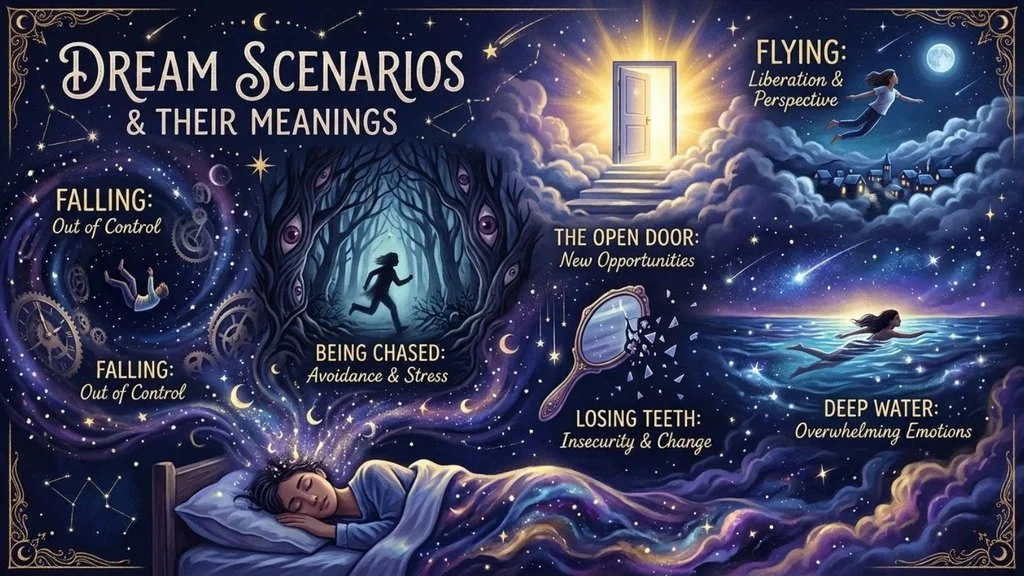
The details of your dream shape its meaning. Use these categories to narrow down your interpretation.
5.1 By Cause of the Burn
- Fire: Intense emotion, anger, or a situation spiraling out of control.
- Sunburn: Overexposure, pressure, or too much attention.
- Hot water or steam: Sudden emotional outbursts or conflicts that catch you off guard.
- Chemical burn: A toxic influence, person, or environment slowly harming you.
- Attack by another person: Feeling targeted, betrayed, or hurt by someone.
- Self-inflicted burn: Guilt, self-criticism, or self-sabotage.
5.2 By Body Part
- Face: Identity and how others see you.
- Hands: Your actions, work, and creativity.
- Arms and legs: Support, mobility, and life direction.
- Back: Burdens carried or betrayal from behind.
- Whole body: Total exhaustion or feeling overwhelmed.
5.3 By Skin Condition
- Blistering: Emotional pain building beneath the surface.
- Peeling: Shedding old habits or identities.
- Scarring: Lasting memories or lessons from past hurt.
- Charred skin: Severe burnout or deep emotional damage.
- Red, irritated skin: Ongoing stress or irritation.
- Healing skin: Recovery and renewed strength.
5.4 By Who Is Affected
- Yourself: The meaning applies directly to your own life.
- Family member or partner: Concern about, or tension within, that relationship.
- Child: Protectiveness or worry about innocence and vulnerability.
- Friend or stranger: A trait you see in them, or a part of yourself.
- Animal: Instincts or natural emotions being hurt.
5.5 By Emotional Tone
- Painful: Distress you are actively feeling.
- Painless: Emotional numbness or detachment.
- Panic: Anxiety about a real-life threat.
- Calm acceptance: Readiness for change.
- Relief afterward: Resolution and release.
Always weigh your feelings in the dream above any single symbol.
Psychological Perspectives

Psychologists have studied dreams for over a century, and several schools of thought offer useful lenses for understanding a burnt skin dream.
6.1 Freud: Repressed Emotions
Sigmund Freud viewed dreams as disguised expressions of repressed desires and emotions. Through this lens, burnt skin may symbolize intense feelings you have pushed out of awareness, such as anger, guilt, or desire. Because they cannot be expressed openly, they return as painful, symbolic images.
6.2 Jung: Fire as Transformation
Carl Jung saw dreams as messages from the unconscious that guide personal growth. Fire, in his view, often represents transformation, a force that destroys the old so something new can emerge. A burn may point to the discomfort of change, or to the shadow self, the parts of your personality you avoid facing. Confronting them is part of what Jung called individuation, the process of becoming whole.
6.3 Gestalt: Every Element Is You
Gestalt therapy, developed by Fritz Perls, suggests that every part of a dream represents some aspect of the dreamer. In this approach, you might speak from the perspective of the fire or the skin and ask what each wants or needs. The fire may be your anger, while the skin may be your vulnerability.
6.4 Modern Cognitive and Neuroscience Views
Contemporary researchers often see dreams as the brain’s way of processing emotion and consolidating memory. Rather than carrying hidden codes, dream images may reflect what concerns you most while awake. A burn dream could simply mirror ongoing pressure, conflict, or fatigue.
6.5 Trauma, Anxiety, and Chronic Stress
Burn imagery can appear more often in people dealing with anxiety, PTSD, or long-term stress, especially if they have experienced injury, abuse, or a frightening event. In these cases, the dream may be the mind’s attempt to process unresolved fear. If the dreams are frequent or distressing, speaking with a mental health professional can help.
Cultural, Spiritual, and Religious Interpretations

Across history, people have read dreams as spiritual messages. The views below come from tradition and belief, not scientific fact, and they vary widely between communities and individuals.
7.1 Biblical and Christian Perspectives
In Christian thought, fire often symbolizes purification and testing. Scripture describes believers being refined like metal in a furnace, so a burn dream may be read as a season of trial that leads to spiritual growth. Some interpreters also see it as a call to repentance, or a reminder to seek comfort and healing through faith.
7.2 Islamic Dream Interpretation
In Islamic tradition, known as ta’bir, dreams are classed as true visions, personal reflections, or disturbing dreams that come from the self or from Satan. Fire is often linked to trials, warnings, or the consequences of one’s actions, and many scholars advise a dreamer to seek refuge in God and avoid dwelling on a frightening dream. Because interpretation depends on the dreamer’s circumstances, readers should consult a knowledgeable scholar rather than rely on general dream dictionaries.
7.3 Hindu and Buddhist Views
In Hindu tradition, fire (Agni) is a sacred force of purification and transformation, so burnt skin may suggest the burning away of karma or old attachments. In Buddhist thought, fire is often a metaphor for craving, anger, and suffering, and a burn dream may point to the pain caused by clinging to desire or resentment. It can also be read as a reminder of impermanence.
7.4 Western Folk and Dream Dictionary Traditions
Folk traditions have treated burns in dreams as warnings about danger, conflict, or hasty decisions. Modern dream dictionaries often use the same ideas, though they are based on popular association rather than evidence.
7.5 Common Spiritual Themes
Across traditions, burnt skin dreams often point to cleansing, awakening, and release. Treat these readings as a source of reflection, and weigh them against your own beliefs and circumstances.
Positive vs. Negative Interpretations

Not every burnt skin dream is a warning. Depending on the emotions and details involved, the same image can signal either a problem that needs attention or a sign of growth. The table below shows how to tell the difference.
8.1 Warning Signs vs. Signs of Growth
| Detail in the Dream | Warning Interpretation | Growth Interpretation |
| Emotion | Fear, panic, or intense pain | Calm, acceptance, or relief |
| Skin condition | Charred, blistering, or worsening | Peeling, healing, or regrowing |
| Cause | Attack, chemical burn, or self-harm | Fire that cleanses or releases |
| Outcome | Burn spreads or you cannot escape | You recover or the pain fades |
| Life link | Burnout, conflict, or toxic situations | Change, renewal, or letting go |
| Message | Slow down and protect yourself | Release the old and move forward |
8.2 How to Tell Which One Applies to You
Start with your emotions, since they are the most reliable clue. If you wake up anxious, drained, or shaken, the dream is likely pointing to stress, hurt, or a situation that needs your attention. If you woke up feeling lighter, curious, or at peace, it may reflect healing or positive change.
Next, look at how the dream ended. A burn that heals or fades often suggests resilience, while one that worsens may highlight an issue you are avoiding.
Finally, compare the dream with your current life. If you are facing pressure, conflict, or exhaustion, a warning reading probably fits. If you are going through a transition, such as a new job, a new relationship, or a personal reset, the growth reading may be closer to the truth.
Possible Real-Life Triggers

Dreams rarely appear out of nowhere. A burnt skin dream often has a trigger in your waking life, whether emotional, situational, or physical. Identifying it can make the meaning much clearer.
9.1 Emotional and Situational Triggers
- Work pressure and burnout: Long hours, tight deadlines, and constant demands can surface as images of burning or exhaustion.
- Relationship conflict: Arguments, betrayal, or a toxic dynamic may appear as being “burned” by someone close to you.
- Grief or emotional loss: Painful feelings you have not fully processed can take the form of physical injury in dreams.
- Major life changes: Moving, changing jobs, ending a relationship, or becoming a parent can trigger dreams about shedding or damaged skin.
- Health worries or recent injuries: If you have had a burn, surgery, or a scare about your health, your mind may replay it symbolically.
9.2 Physical Triggers
Sometimes the cause is in the body or the bedroom rather than the mind.
- Overheating: A warm room, heavy blankets, or a fever can create the sensation of burning during sleep.
- Skin irritation: Itchy, dry, or sunburned skin may be woven into the dream as pain.
- Medications and substances: Some medications, alcohol, and caffeine affect sleep and can make dreams more vivid or disturbing.
9.3 Media and Daily Influences
What you see before bed matters. News about fires, intense films, or stressful conversations in the evening can influence dream content, especially if they leave you anxious.
9.4 Putting It Together
Think back over the past few days and ask what has been stressful, painful, or overwhelming. Also check your sleeping environment and habits. Often the trigger is a mix of emotional strain and physical discomfort. Once you know what may be feeding the dream, you can address the cause directly, whether that means setting boundaries, resting more, or simply cooling down your bedroom.
How to Interpret Your Own Dream

General meanings are a useful starting point, but only you know the full context of your dream. Follow these seven steps to find an interpretation that fits your life.
10.1 Step-by-Step Method
- Write it down immediately. Dreams fade within minutes of waking. Keep a notebook or phone note by your bed and record everything you remember, even fragments.
- Note your emotions. Record how you felt during the dream and when you woke up. Emotions are often the most reliable clue to the meaning.
- Identify the cause of the burn. Was it fire, the sun, hot water, or an attack? The source points to the type of pressure involved.
- Identify the body part. Face, hands, back, or whole body each symbolize something different, as covered in Section 5.
- Link it to your life. Ask what has been stressful, painful, or changing lately. Check the triggers in Section 9.
- Look for patterns. Compare the dream with earlier ones. Repeating symbols, people, or places often point to an unresolved issue.
- Decide on an action. A dream is most useful when it leads to insight, such as setting a boundary, resting, or having a difficult conversation.
10.2 Dream Journal Prompts
Use these questions to dig deeper:
- What was the first thing I noticed in the dream?
- How did I feel before, during, and after the burn?
- Who else was present, and what role did they play?
- Where did the dream take place, and does it remind me of a real location?
- What in my life feels “too hot” right now?
- If my skin could speak, what would it say?
- What would I change about the dream’s ending?
10.3 A Final Tip
Do not force a single answer. If an interpretation makes you feel a sense of recognition or relief, it is probably close. If it feels wrong, set it aside and keep reflecting.
Recurring Burn Dreams
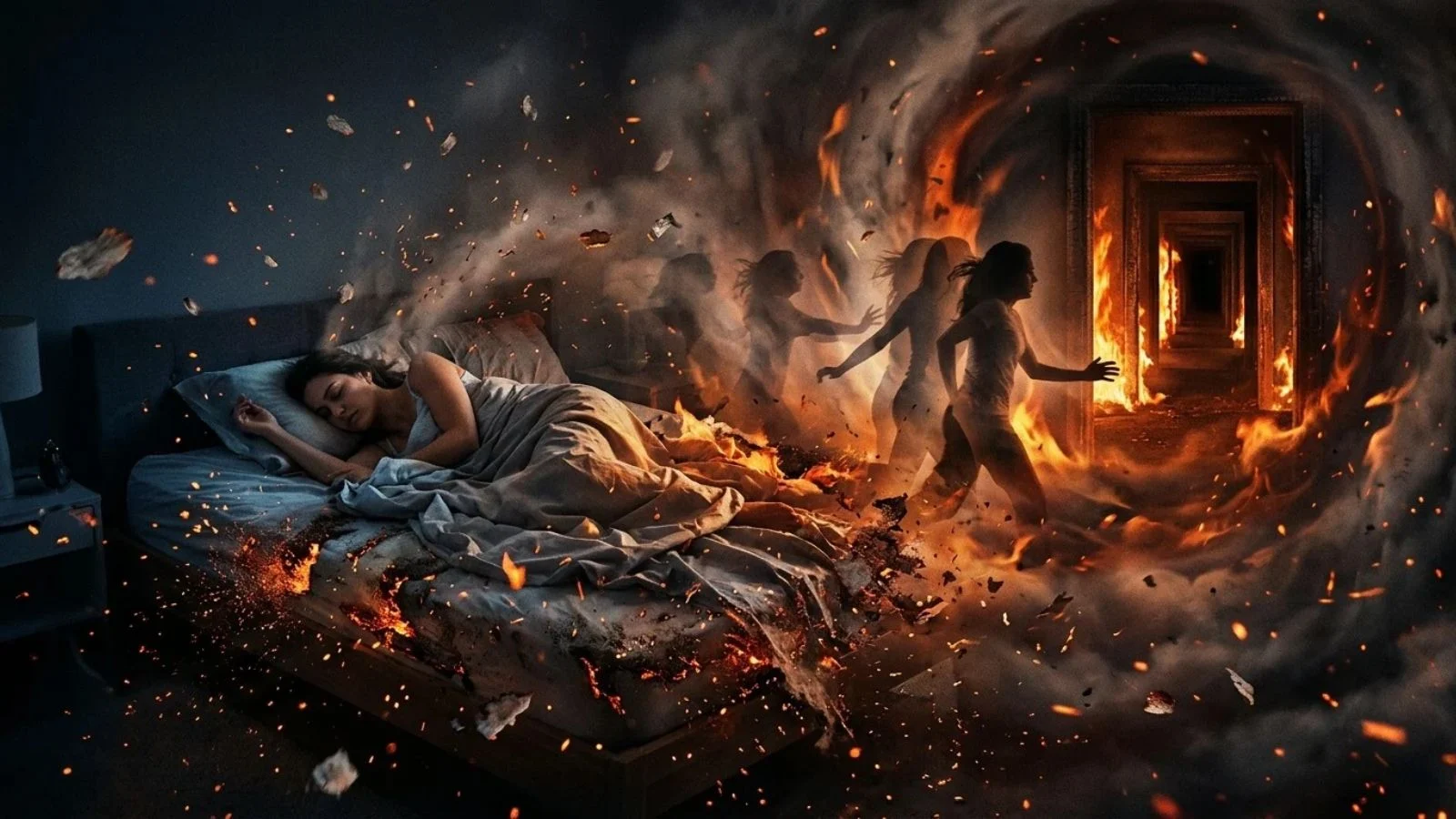
A single burnt skin dream may reflect a passing stressor, but a dream that returns again and again deserves closer attention. Repetition is often the mind’s way of saying that something still needs to be addressed.
11.1 Why Burn Dreams Repeat
- Unresolved emotions: Anger, grief, or guilt that has not been processed can keep resurfacing until it is acknowledged.
- Ongoing stress: If the source of pressure is still present, such as a demanding job or a strained relationship, the dream may continue.
- Past trauma: Recurring imagery of injury can be linked to a frightening or painful experience that the mind is still working through.
- Avoided decisions: A choice you keep postponing can return as a symbolic warning.
- Sleep and health factors: Poor sleep, anxiety, and some medications can increase the frequency of vivid or disturbing dreams.
11.2 What Your Recurring Dream May Be Asking
Look for what stays the same each time. If the burn always occurs in the same place, such as your hands or face, the symbolism of that body part may point to the unresolved theme. If the same person appears, the dream may be about that relationship. Notice also whether the dream changes over time. A burn that becomes less painful or begins to heal often suggests that you are making progress.
11.3 How to Break the Cycle
- Keep a dream journal to track patterns and triggers.
- Address the real-life cause by setting boundaries, resolving conflict, or reducing your workload.
- Practice stress relief, such as deep breathing, meditation, or gentle exercise.
- Improve sleep hygiene with a consistent schedule and a cool, quiet bedroom.
- Try imagery rehearsal, rewriting the dream’s ending while awake and rehearsing the new version.
- Seek professional support if the dreams are distressing or linked to trauma.
When to Seek Help

Most burnt skin dreams are harmless and pass on their own. Sometimes, though, they signal that you could use extra support, either for your mental health or your physical wellbeing.
12.1 Signs It May Be Time to Get Help
Consider reaching out to a professional if any of the following apply:
- The dream is recurring or distressing: You have the same burn dream repeatedly, or it leaves you shaken for hours or days.
- It disrupts your sleep: You avoid going to bed, wake several times a night, or feel exhausted during the day.
- It affects daily life: Anxiety, low mood, or irritability linked to the dream is interfering with work, relationships, or concentration.
- There is a history of trauma: If you have survived a burn injury, abuse, or a frightening event, nightmares may be a sign of unprocessed trauma or PTSD.
- You feel overwhelmed: Persistent stress, burnout, or hopelessness deserves attention beyond dream interpretation.
12.2 Who Can Help
A therapist or counselor can help you explore the emotions behind the dream and build coping skills. For recurring nightmares, a doctor or sleep specialist may recommend imagery rehearsal therapy, a well-studied approach in which you rewrite the nightmare’s ending and rehearse it while awake. Cognitive behavioral therapy can also reduce anxiety and improve sleep.
12.3 A Medical Note
Dreams about burns are usually symbolic, but physical causes are possible. If you wake with real skin pain, redness, a rash, a fever, or night sweats, see a doctor rather than assuming the dream is the only explanation. Some medications can also trigger vivid or disturbing dreams, so speak with your doctor before changing or stopping any prescription.
12.4 You Are Not Alone
Seeking help is a sign of strength, not weakness. Many people experience distressing dreams, and effective support is available.
Tips to Reduce Burn-Related Nightmares

You cannot fully control your dreams, but you can make disturbing ones less likely. These habits calm the mind and body before sleep, which often reduces both the frequency and the intensity of nightmares.
13.1 Build a Calming Bedtime Routine
- Wind down for 30 to 60 minutes. Dim the lights, read something gentle, or take a warm shower. Finish at least a couple of hours before bed so your body can cool afterward.
- Practice relaxation techniques. Deep breathing, progressive muscle relaxation, or a short guided meditation can lower anxiety before sleep.
- Write down worries. Jot down tomorrow’s tasks and any pressing concerns so they are not circling in your head at night.
13.2 Protect Your Sleep Schedule
- Keep consistent hours. Going to bed and waking at the same time each day stabilizes your sleep cycles.
- Avoid late caffeine and alcohol. Both can fragment sleep and make dreams more vivid or disturbing.
- Skip heavy meals close to bedtime, which can disrupt rest.
13.3 Create a Cool, Comfortable Bedroom
Since overheating can feed burning sensations in dreams, aim for a cool, quiet, dark room. Choose breathable bedding and lighter blankets, and keep the room well ventilated.
13.4 Limit Disturbing Content
Avoid news about fires, intense films, or stressful conversations before bed. Choose calming music, a podcast, or a book instead, and limit screens for the last hour of the day.
13.5 Manage Daytime Stress
Regular exercise, time outdoors, and honest conversations about what is bothering you can ease the tension that fuels nightmares. Keep up your dream journal as well, since understanding a dream often lessens its power.
13.6 Rewrite the Ending
If a burn dream keeps returning, rehearse a calmer ending while awake, such as the burn healing or you walking away unharmed.
Frequently Asked Questions
Is dreaming about burnt skin a bad omen?
No. Burnt skin dreams are symbolic and usually reflect stress, emotional pain, or change. They do not predict harm.
What does it mean to dream about peeling skin after a burn?
Peeling often signals shedding old habits, identities, or emotional burdens. It can point to healing and renewal.
What does a sunburn dream mean?
A sunburn usually represents overexposure, such as too much pressure, attention, or responsibility.
Why do I dream about being burned but feel no pain?
Painless burns may suggest emotional numbness or detachment, or a readiness to accept change.
What does it mean to dream about someone else’s burnt skin?
It may reflect concern for that person, tension in the relationship, or a trait in them that mirrors something in yourself.
Can anxiety cause burning dreams?
Yes. Anxiety and chronic stress are common triggers, as the mind turns tension into vivid, painful imagery.
What does it mean to dream of burnt skin healing?
Healing skin in a dream often means recovery is underway — emotional wounds closing, stress easing, or a difficult season ending. It can be a hopeful sign that what hurt you is losing its power. If the healing felt relieving, the dream usually points to growth rather than warning.
Related Dream Meanings
Conclusion
Dreaming of burnt skin can be unsettling, but it is rarely a bad omen. More often, it is your subconscious pointing to stress.
Burnout, emotional hurt, or a need for stronger boundaries. It can also signal something hopeful: old layers burning away to make room for healing and renewal.
The most reliable guide is your own experience. Pay attention to how you felt in the dream, what caused the burn, which part of your body was affected, and what is happening in your life right now.
A dream journal can help you spot patterns and respond to what your mind is trying to say if the dreams keep returning or leave you distressed, reach out to a therapist or doctor. You do not have to carry it alone.
The burnt skin dream meaning usually points to something that needs healing — stress, burnout, or an old layer ready to fall away.

Robert Moss is a renowned dream researcher, author, and teacher known for exploring dreams, spirituality, and their deeper meanings. At DreamHatchs.com, we share insights inspired by his work to help readers understand their dreams.