You wake up with your heart racing, run your tongue across your teeth, and search for that sharp, uneven edge. Relief washes over you when everything feels normal. It was only a dream, but the unease lingers.
If you’re searching for chipped tooth dream meaning, you’re far from alone. Tooth dreams are among the most commonly reported dreams around the world, and a chipped tooth adds its own twist.
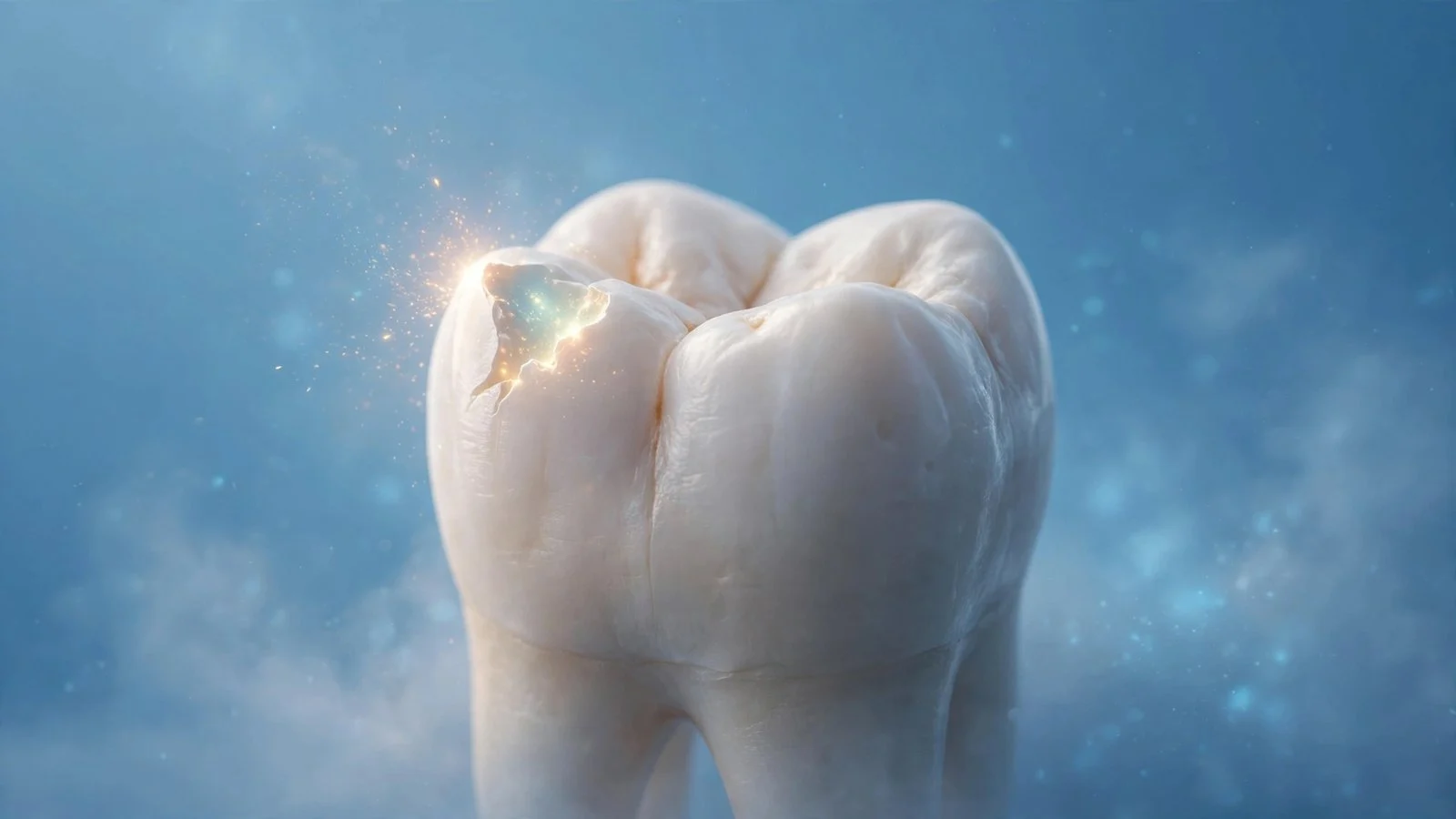
Unlike a tooth that falls out completely, a chip is partial damage: something still standing, but no longer perfect.
So what is your mind trying to tell you? In this guide, we’ll explore the psychological, spiritual, and cultural meanings of a chipped tooth dream.
We’ll break down common scenarios, such as chipping a front tooth or biting down on something hard, look at what science says, and show you what to do next.
Chipped Tooth Dream Meaning: The Quick Answer
The top five meanings at a glance:
- Insecurity and self-image: You may be worried about how others see you, or feel pressure to appear flawless in your work, relationships, or social life.
- Fear of embarrassment: A chipped tooth is visible and hard to hide, which mirrors anxiety about being judged, exposed, or caught off guard in public.
- Communication struggles: Teeth are tied to speech. A damaged tooth can reflect words left unsaid, feeling unheard, or fear of saying the wrong thing.
- Stress and burnout: Small chips build up over time, much like daily pressures that slowly wear you down before you realize how tired you are.
- Loss of control: Something you believed was solid and dependable now feels vulnerable, whether it’s a job, a relationship, or your health.
Remember that context matters. The tooth involved, how it chipped, and how you felt in the dream all shape its meaning. Spiritual and cultural traditions add further interpretations, which we’ll cover later, but none of them are predictions. If you also wake with jaw pain or sensitive teeth, grinding may be part of the story.
Why Do We Dream About Teeth?
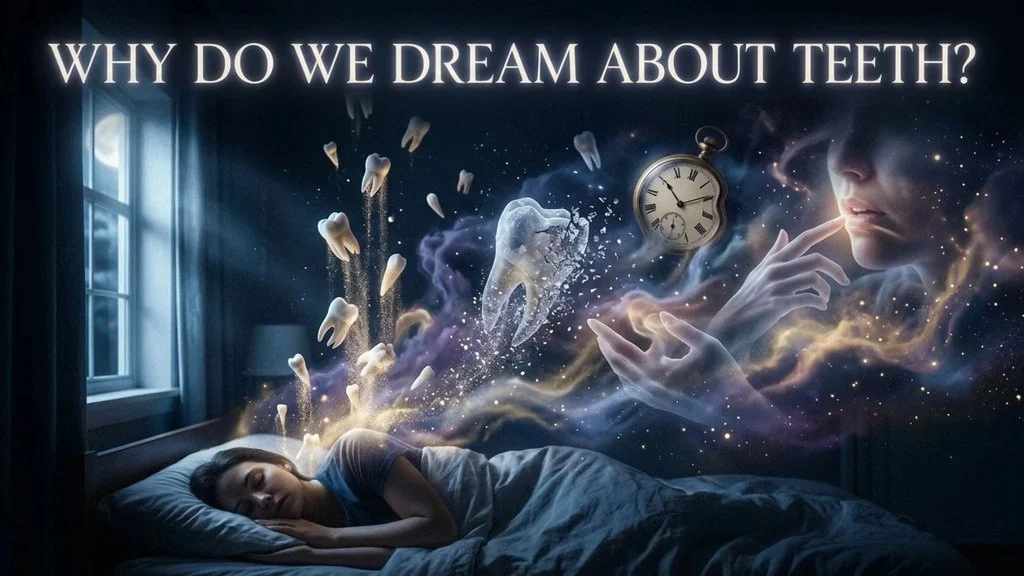
Teeth show up in dreams more often than almost any other body part. There are a few reasons for that.
What Teeth Symbolize
Teeth are closely tied to confidence, appearance, and communication. We use them to smile, speak, and eat, so they represent both how we present ourselves and how we take in the world. They also carry associations of strength, vitality, and aging, which is why damage to them in a dream can feel so unsettling.
How Dreaming Works
Most vivid dreams happen during REM sleep, when the brain processes emotions and sorts through memories. One popular idea, the threat-simulation theory, suggests dreams let us rehearse stressful situations so we’re better prepared for them. Seen this way, a chipped tooth is a safe way for your mind to practice coping with loss, embarrassment, or things not going to plan.
Why Teeth Appear So Often
Teeth are visible, personal, and universal. Most of us also remember losing baby teeth, an experience that mixed excitement with a little fear. That makes teeth a ready-made symbol your brain can reach for when you feel vulnerable or are going through change.
Physical Triggers
Sometimes the cause is partly physical. Teeth grinding (bruxism), jaw tension, dental pain, sleep apnea, and certain medications can feed sensations into your dreams, which your brain then weaves into a story. If you wake with a sore jaw or sensitive teeth, mention it to your dentist.
Chipped vs. Cracked vs. Broken vs. Missing Teeth in Dreams
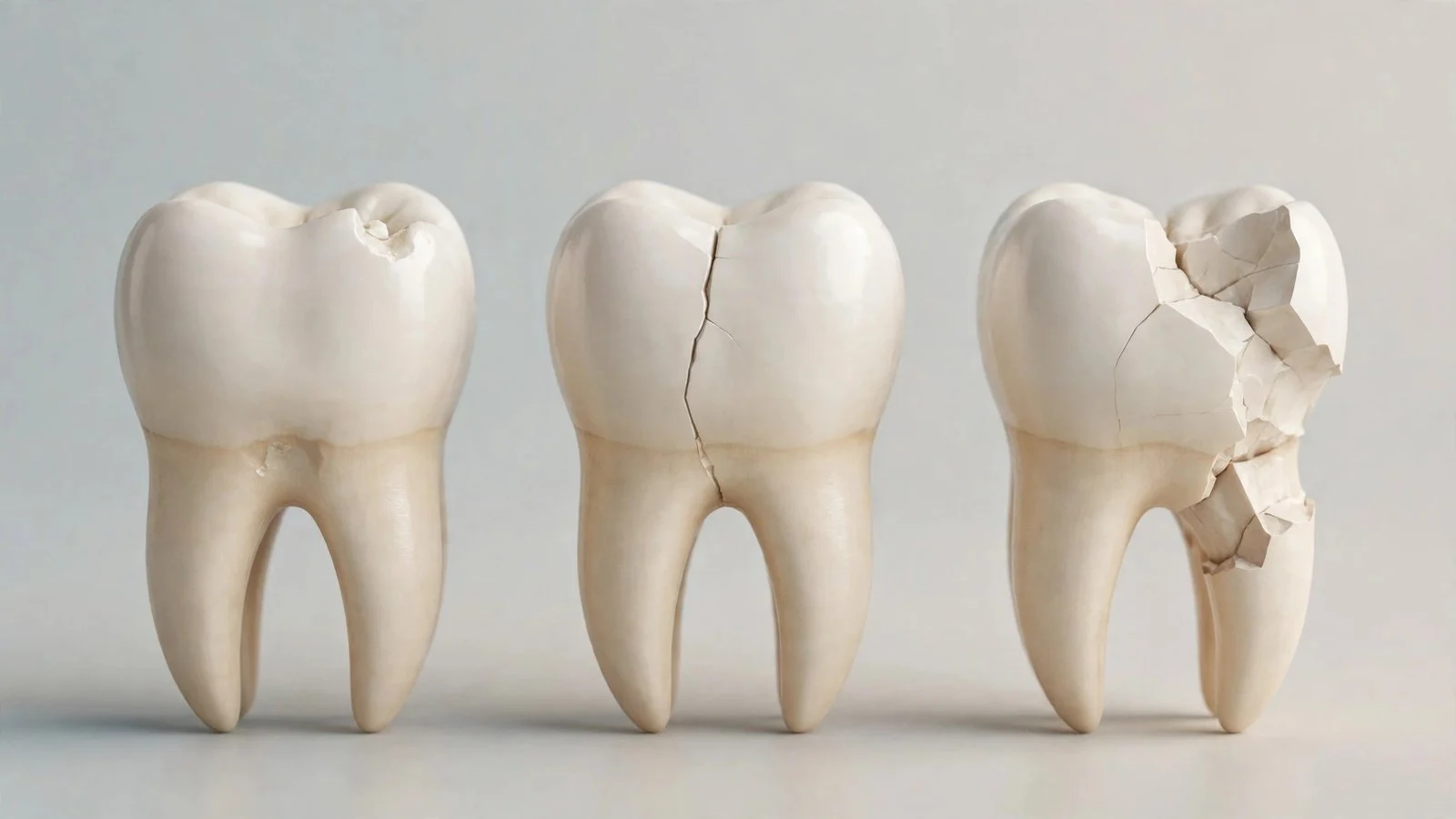
Not all tooth dreams carry the same message. The type of damage you see often hints at how serious the issue feels to you, and how much control you believe you have over it.
A chipped tooth is the mildest form of damage. Part of the tooth is gone, but the rest remains. That usually points to a smaller, more manageable worry: something that bothers you but hasn’t yet turned into a crisis. A cracked tooth suggests hidden pressure, while a broken or missing tooth tends to reflect a bigger sense of loss.
Comparison Table
| Dream Type | Core Symbolism | Typical Emotional Tone |
| Chipped tooth | Minor flaw, small loss of confidence, early warning | Uneasy, self-conscious, mildly anxious |
| Cracked tooth | Hidden stress, building pressure, a weakness that is not yet obvious | Tense, worried, on edge |
| Broken tooth | Significant setback, shock, a sudden blow to security | Distressed, shaken, vulnerable |
| Missing or fallen-out tooth | Major loss, transition, powerlessness, fear of change | Panic, grief, deep insecurity |
Why a Chip Is Different
A chip suggests that the damage is limited and repairable. In real life, a chipped tooth can often be fixed with simple dental work, and dreams tend to borrow that logic. Your mind may be telling you that the problem in your life is still at a stage where small adjustments can help.
This does not mean the dream should be dismissed. A chip can be a gentle nudge to notice what is wearing you down before it grows. Ask yourself what feels “slightly off” right now, and what you could address early.
Common Meanings of a Chipped Tooth Dream
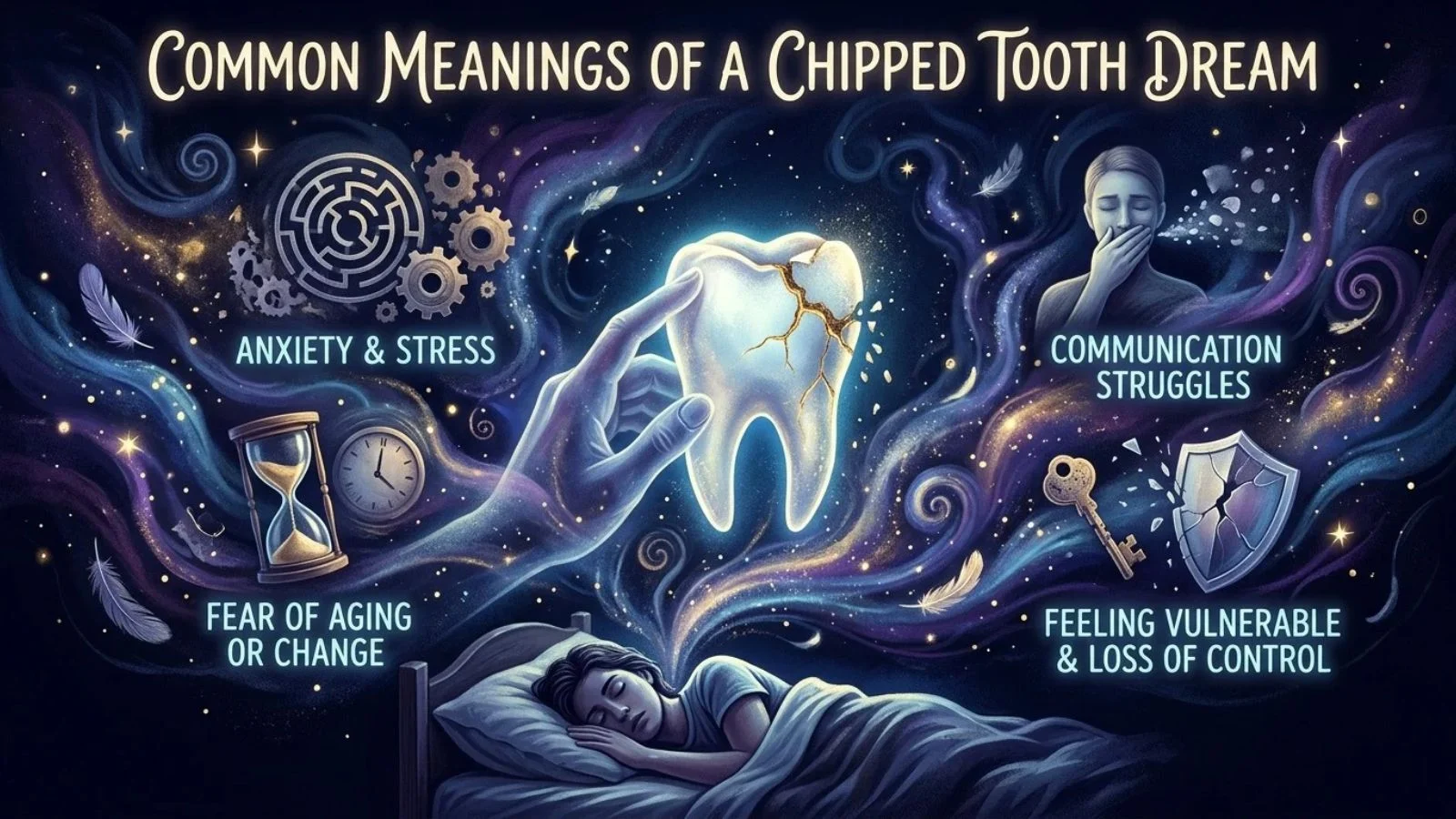
A chipped tooth can point in several directions depending on your life right now. Here are the first four common meanings, each with an example and a question to help you reflect.
Insecurity and Self-Image
Teeth shape your smile and your first impression, so a chip often mirrors a fear of being judged or seen as “imperfect.” The dream may surface when you feel pressure to appear polished at work, online, or in your relationships.
Example: Someone preparing for a job interview dreams of covering a chipped front tooth while talking.
Ask yourself: Where do I feel I have to look flawless?
Fear of Embarrassment
A chip is small but visible, which makes it a natural symbol for social anxiety. The dream may reflect worry about being exposed, corrected, or caught unprepared in front of others.
Example: You dream about your tooth chips in the middle of a presentation, and everyone notices.
Ask yourself: What situation am I afraid of getting wrong in public?
Communication Struggles
Teeth are essential to speech, so damage to one can reflect trouble expressing yourself. You may be holding back an opinion, feeling unheard, or worrying that your words will cause harm.
Example: After an argument you didn’t finish, you dream of biting down and feeling a tooth crack.
Ask yourself: What am I not saying, and why?
Loss of Control or Power
Teeth are among the strongest parts of the body, so seeing one chip can signal that something you thought was solid now feels vulnerable. This could be a job, a relationship, your health, or your finances.
Example: During a company restructuring, you dream your teeth chip while eating.
Ask yourself: What once felt stable that now feels uncertain?
More Common Meanings of a Chipped Tooth Dream

Here are the remaining common meanings, each with an example and a reflection question.
Stress and Burnout
Small chips build up gradually, much like daily pressures that wear you down before you notice the damage. The dream may signal that you are running on empty and need rest.
Example: After months of overtime, you dream a tooth chip off while you chew.
Ask yourself: Where am I giving more than I can sustain?
Health Anxiety and Aging
Teeth are linked to vitality, so a chip can reflect worry about your body, getting older, or an ongoing health concern. It does not predict illness. It more often mirrors a general feeling of vulnerability.
Example: After a medical checkup, you dream your teeth are wearing down.
Ask yourself: Is there a health concern I have been avoiding?
Financial Worry
In some folk traditions, tooth dreams are linked to money. Whether or not you believe that, financial pressure is a common source of stress, and the dream may be echoing it.
Example: Before a big expense, you dream of chipping a tooth on something hard.
Ask yourself: What money concern keeps returning to my mind?
Relationship Tension
A chip can represent a small crack in a bond with family, a partner, or a friend. It suggests the issue is still repairable if addressed early.
Example: After a tense family gathering, you dream of tooth chips during dinner.
Ask yourself: Which relationship needs attention or an honest conversation?
Life Transitions
New jobs, moves, and endings can leave you feeling off balance, and your mind may express that as damage to a familiar part of you.
Ask yourself: What change am I still adjusting to?
Guilt or Regret
Something you said or did may feel like it chipped away at someone’s trust.
Ask yourself: Is there something I need to acknowledge or repair?
Chipped Tooth Dream Scenarios for 2026

The tooth that chips often shapes the meaning of the dream. Here is how different locations are commonly interpreted.
Front Tooth
Front teeth are the first thing people notice when you smile or speak, so a chipped front tooth usually relates to public image and first impressions. The dream may reflect worry about how you come across at work, on social media, or in new social settings. It can also point to a fear of being seen as less capable or less polished than you would like.
Back Tooth or Molar
Molars do the heavy lifting when we chew and are also where many people clench and grind. A chipped back tooth tends to point inward, toward private burdens, long-term stress, or responsibilities you carry quietly. If you wake with a tight jaw, physical tension may be feeding the dream as well.
Canine Tooth
Canines are associated with biting, tearing, and defense. A chipped canine may reflect a sense of weakened assertiveness, difficulty protecting your boundaries, or hesitation to stand up for yourself. Some people also connect it to a loss of confidence in a situation where they usually feel strong.
Multiple Teeth Chipping
When several teeth chip at once, the dream usually suggests that the stress is broader than a single issue. It can indicate that pressure from several areas, such as work, family, and health, is building at the same time. Your mind may be signaling that it is time to slow down and look at the bigger picture rather than fixing one problem at a time.
Reflection tip: Notice which tooth was affected and how you felt. The feeling often matters more than the tooth itself.
Chipped Tooth Dream Scenarios by Situation
What was happening when the tooth chipped can say as much as which tooth it was. Here are the most common situations.
Chipping While Eating
Eating is about taking in what life offers. A tooth that chips mid-bite may suggest that something you are “chewing on,” such as a decision, a new responsibility, or a difficult truth, feels harder to handle than expected.
Chipping While Talking or Giving a Speech
This scenario links directly to communication and fear of public judgment. It often appears before presentations, interviews, or conversations where you feel your words carry high stakes.
Waking Up to Find It Chipped
If the chip is discovered after the fact, the dream may reflect a worry that something has been quietly wearing away without your awareness, such as your energy, a friendship, or your confidence.
Someone Else Chipping Your Tooth
When another person causes the damage, the dream may point to feeling hurt, undermined, or let down by them. It can reflect conflict or a sense that someone has crossed a boundary.
Chipping Someone Else’s Tooth
This version often carries guilt or fear of hurting others, whether through words or actions. It may encourage you to consider whether an apology or a gentler approach is needed.
Chipping on Hard Objects
Biting ice, candy, or bone suggests you may be pushing too hard against something, or taking on a challenge that is straining you. The dream may be asking whether the effort is worth the cost.
Reflection tip: Consider the setting and the people present. They often point to the area of life the dream is addressing.
Chipped Tooth Dream Scenarios by Feeling
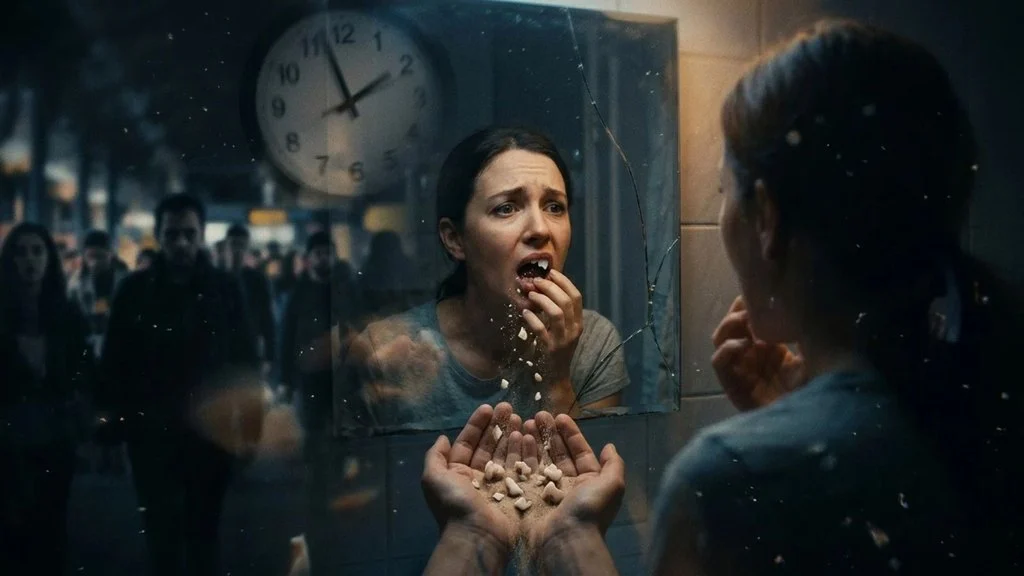
Physical sensations and how the dream ends add another layer of meaning. Here is how they are commonly read.
No Pain vs. Painful
A painless chip often suggests a problem you are barely aware of or are choosing to ignore. It may be a quiet worry that has not yet demanded your attention. A painful chip usually signals that the issue is already affecting you emotionally, and that it may be time to address it directly.
Bleeding
Blood in dreams is often tied to emotional intensity or a sense of being drained. A chipped tooth that bleeds may reflect a situation that feels raw, costly, or hard to hide. It can also point to exhaustion, especially if you have been giving a lot of yourself to others.
Spitting Out Fragments
Spitting out pieces of tooth can represent a wish to release something that no longer serves you, such as an old habit, a grudge, or a belief about yourself. It may also reflect the feeling of things slowly falling apart and the need to let go of what cannot be saved.
Feeling a Sharp Edge with Your Tongue
Constantly probing the rough spot suggests you keep returning to a small irritation, such as a comment someone made or a mistake you cannot stop replaying. The dream may be asking you to stop picking at it.
The Tooth Gets Repaired
If the tooth is fixed in the dream, it is generally read as a sign of resilience, healing, and confidence that you can solve the problem you face.
The Chip Leads to Loss
When a chipped tooth later falls out, it can suggest an issue that has been left alone and is now escalating. It may be a prompt to act sooner rather than later.
Hiding the Chip
Covering your mouth or avoiding smiling often reflects shame or secrecy. It may mean you are hiding a struggle, and that sharing it could bring relief.
Reflection tip: Pay attention to how the dream ended. A calm ending often signals acceptance, while a distressing one suggests unresolved worry.
Psychological Interpretations

Psychologists have approached dreams in very different ways. None of these views is a final answer, but each offers a useful lens for understanding your chipped tooth dream.
Freud: Repression and Anxiety
Sigmund Freud saw dreams as disguised expressions of hidden wishes and anxieties. He linked tooth dreams to repressed feelings, often of a sexual nature. Most modern psychologists consider this reading outdated and difficult to test, so it is best treated as a historical perspective rather than a reliable guide.
Jung: Symbols and Personal Growth
Carl Jung believed dreams communicate through symbols that help us understand ourselves. From this view, a chipped tooth might point to a part of your identity under strain, or to a “shadow” side you have avoided facing. Jung saw such dreams as invitations to growth rather than warnings.
Modern Research
Contemporary studies suggest that dreams often reflect waking-life concerns, an idea known as the continuity hypothesis. Tooth dreams are frequently associated with stress, anxiety, and worries about appearance or communication. Some researchers also note a link between dental dreams and physical factors, such as teeth grinding or jaw tension, though more research is needed.
The Gestalt Approach
Gestalt therapy treats every element of a dream as part of you. Instead of asking what the chipped tooth means in general, you might “speak as” the tooth. What would it say? What does it need? This can reveal feelings you had not put into words.
A Note on Subjectivity
Dreams are personal. The same image can mean different things to different people, so use these theories as prompts for reflection rather than fixed rules. If a dream leaves you distressed or keeps recurring, a therapist can help you explore it.
Spiritual and Religious Interpretations

Many people turn to spiritual traditions when a dream feels meaningful. These views are cultural and faith-based perspectives, not predictions, and they vary widely between communities and interpreters.
General Spiritual Themes
In many spiritual circles, a chipped tooth is read as a sign of transformation. Something old is being worn away to make room for something new. Others see it as a call to speak your truth, release what no longer serves you, or pay closer attention to your inner life.
Christian Perspectives
The Bible has no standard dream dictionary for teeth, so Christian readings vary. Some believers connect tooth imagery to themes of strength, speech, and vulnerability. Others view the dream as a prompt for prayer, reflection, or seeking reconciliation where words have caused harm.
Islamic Interpretation
In the classical Islamic dream interpretation tradition, often associated with Ibn Sirin, teeth are commonly linked to family members and relatives. Damage to a tooth is traditionally read as concern for a relative’s wellbeing, or as strain within family ties. Many scholars emphasize that dreams differ in value, that true dreams are rare, and that a bad dream is not something to fear. Interpretations also depend on the dreamer’s circumstances, so consult a knowledgeable scholar rather than relying on a single source.
Hindu and Other Perspectives
In Hindu and wider South Asian traditions, dream meanings are often tied to family, health, and life stages, though interpretations differ by region and text. Some Eastern traditions also see dream imagery as a reflection of energy or karma.
Numerology and Energy-Based Views
Some modern practices connect dreams to energy imbalances or numerology. These are belief systems rather than established facts.
Please remember: Spiritual meanings are not forecasts. Treat them as ways to reflect, and take real family or health concerns to the appropriate people.
Cultural Folklore and Superstitions

Tooth dreams appear in folklore across the world, and many of the beliefs attached to them are surprisingly similar. Here is a look at how different cultures have read them, and why the stories endure.
Folklore Around the World
In parts of the Middle East and South Asia, tooth dreams are often linked to relatives, especially elders, which echoes the traditions mentioned earlier. Some Mediterranean and Eastern European folk beliefs connect them to family news, money, or a change in fortune. In several Asian traditions, teeth are tied to longevity and ancestry, so damage to them in a dream may be read as a concern for family wellbeing. Western folklore has long held that losing a tooth in a dream foretells bad news, though a chip is usually treated as a milder warning than a total loss.
The Death Superstition
The most widespread belief is that tooth dreams foretell a death in the family. This idea has been repeated for centuries, and it is easy to see why. Teeth are tied to family and aging in many traditions, and death is something people naturally fear. Because tooth dreams are so common, someone will eventually experience a dream followed by a real loss, and that coincidence reinforces the story.
Why These Beliefs Persist
Superstitions spread because they give us a way to explain things we cannot control. They are also passed down by people we trust, which gives them extra weight.
Please Don’t Treat Them as Omens
There is no scientific evidence that tooth dreams predict real events. Since these dreams are so widespread, a chipped tooth dream is far more likely to reflect stress, insecurity, or physical tension than any prophecy. Treat folklore as an interesting part of cultural history, not a forecast.
Is a Chipped Tooth Dream Good or Bad?
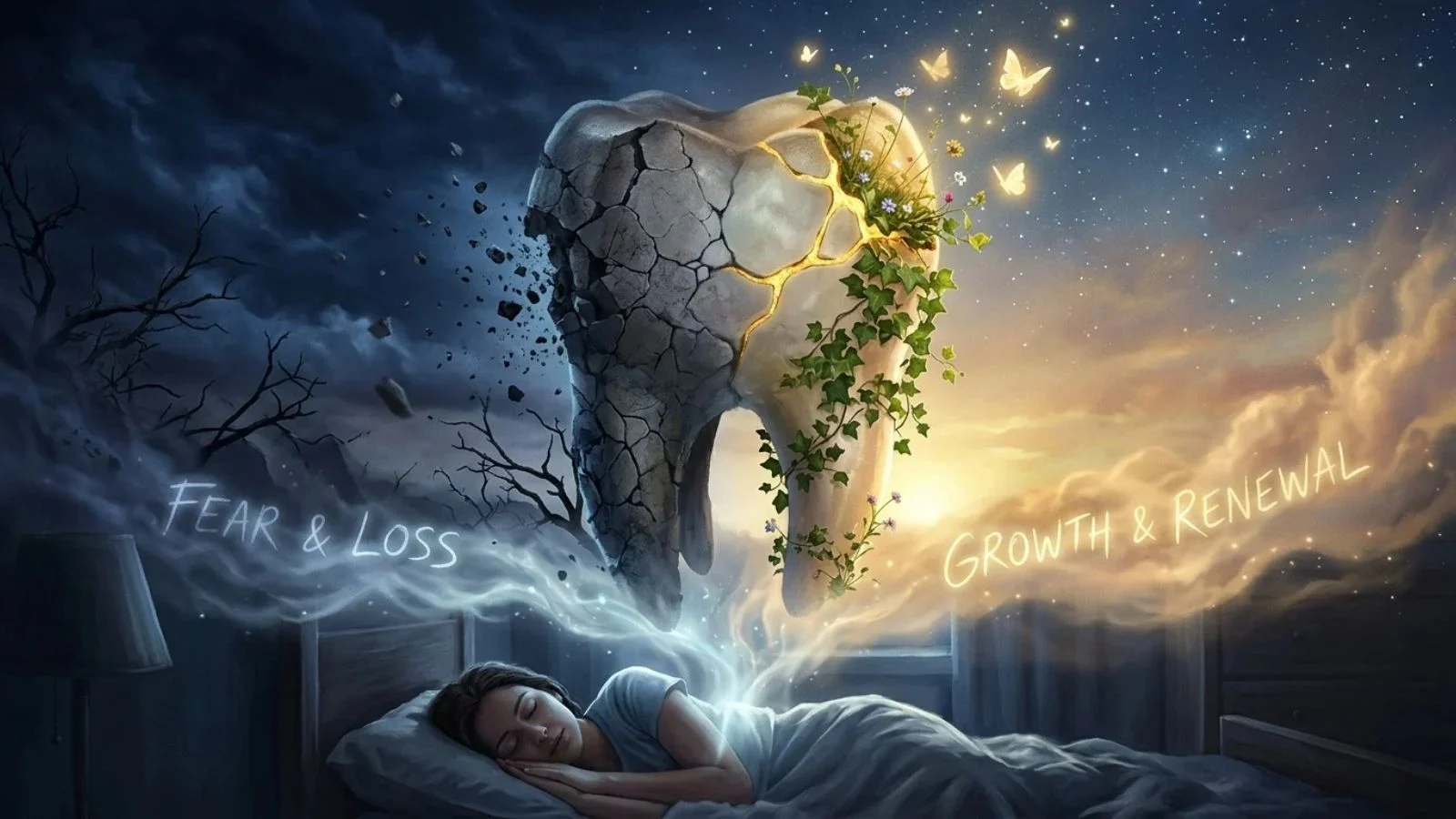
The honest answer is that it is neither. A chipped tooth dream is not a good or bad omen. It is a message about how you are feeling, and it can be useful whichever way it lands.
The Emotional Tone
Most people wake from this dream feeling uneasy, self-conscious, or mildly anxious. That discomfort is real, but it is not a sign that something terrible is coming. It simply reflects the stress or insecurity your mind was working through while you slept.
The Positive Reading
Because a chip is partially damaged, the dream can be read as encouraging. It often suggests that a problem is still small enough to fix. Think of it as an early warning rather than a verdict. It may be nudging you to rest before burnout sets in, to have an honest conversation before a relationship strains, or to rebuild confidence in an area where you have been doubting yourself.
The dream can also be a chance for self-reflection. Noticing what makes you feel “imperfect” is the first step toward being kinder to yourself about it.
When to Pay Closer Attention
Most chipped tooth dreams pass without much consequence. Consider giving yours more thought if:
- The dream keeps recurring over weeks or months
- You wake up with intense fear, panic, or distress
- The dream is affecting your sleep or daily mood
- You are also dealing with ongoing anxiety, grief, or major life changes
In these cases, journaling, talking to someone you trust, or seeing a therapist can help you understand what is underneath. If you wake with jaw pain or worn teeth, a dentist can check for grinding.
Bottom line: Treat the dream as information, not prophecy.
How to Interpret Your Own Dream: Step-by-Step

No dictionary can tell you exactly what your dream means, because the best interpreter is you. Use this simple process to make sense of your chipped tooth dream.
Step-by-Step Guide
- Record the dream immediately. Write down everything you remember before it fades, even fragments. Keep a notebook or phone note by your bed.
- Note your emotions. How did you feel in the dream, and when you woke up? Feelings are often the strongest clue.
- Identify recent stressors. Think about the past one to two weeks. Any deadlines, arguments, worries, or changes?
- Capture the details. Which tooth is chipped? Where were you? Who was there? What caused it?
- Connect symbols to real life. Match each detail to something in your waking life, such as a person, a pressure, or a fear.
- Look for patterns. Over several entries, notice repeating themes, settings, or emotions.
- Choose one small action. Rest more, have a conversation, or worry about someone you trust.
Free Dream Journal Template
Copy this into your notes app or print it:
- Date:
- What happened in the dream:
- Which tooth and how it chipped:
- How I felt in the dream:
- How I felt on waking:
- Recent stress or events:
- Possible connection to my life:
- One small action I can take:
Tip: Ten minutes of journaling after waking is enough. Consistency matters more than detail.
Why You Keep Having This Dream (Recurring Dreams)
If the same chipped tooth dream returns night after night, your mind is likely trying to get your attention. Recurring dreams usually point to something that has not yet been resolved.
Unresolved Stress and Anxiety
Recurring dreams often track ongoing pressure, such as a demanding job, a strained relationship, financial worry, or a major life change. Until the underlying concern eases, the dream may keep returning in similar form. Chronic anxiety can make this more likely, since a stressed mind stays alert even during sleep.
Sleep Quality and Lifestyle
What you do before bed can influence how vividly you dream and how well you remember it. Common contributors include:
- Alcohol, which disrupts REM sleep and can lead to intense dreams as it wears off
- Caffeine late in the day
- Screen time close to bedtime
- Irregular sleep schedules
- Certain medications, so check with your doctor if you notice a change
Poor or broken sleep also means you are more likely to wake during a dream and remember it.
Physical Factors
Teeth grinding, jaw clenching, and sleep apnea can produce real sensations in the mouth that your brain weaves into dream stories. If the dream comes with a sore jaw or morning headaches, a dentist or doctor can help.
Trauma-Related Dreams
Dreams that are frightening, feel like reliving a distressing event, or leave you panicked every time may be connected to past trauma. This is not something to push through alone. A therapist or doctor can offer real support.
What Helps
Journaling, talking through the stress behind the dream, and improving your sleep routine often reduce recurrence. Treating the cause tends to work better than trying to decode the dream again and again.
The Physical Side: Teeth Grinding and Dental Health

Sometimes a tooth dream is not only symbolic. What happens in your mouth while you sleep can shape what you dream, so it is worth paying attention to your dental health.
Signs of Teeth Grinding (Bruxism)
Many people grind or clench their teeth at night without knowing it. Common signs include:
- Jaw soreness or tightness in the morning
- Headaches, especially around the temples
- Worn, flattened, or chipped enamel
- Tooth sensitivity to hot or cold
- A partner hearing grinding sounds at night
Stress, anxiety, and poor sleep are well-known contributors, which is one reason tooth dreams and grinding often overlap.
How Dental Issues Can Enter Your Dreams
Pain, pressure, or a rough edge on a real tooth can send signals to the brain even during sleep. Your mind may then build a story around that sensation, such as a tooth cracking or crumbling. If you have had a dental concern recently, the dream may simply be echoing it.
If You Actually Chip a Tooth
If you wake up and find a real chip, these general steps can help:
- Book a dentist appointment as soon as you can
- Avoid chewing on that side
- Rinse gently with warm water
- Cover any sharp edge with dental wax or sugar-free gum if it is cutting your tongue
Dentists can repair chips in several ways, including bonding, veneers, or crowns, depending on the damage.
Please note: This is general information, not medical advice. A dentist can properly diagnose grinding and recommend treatment, such as a custom night guard.
How to Stop or Reduce Tooth Dreams

You can’t fully control what you dream, but you can lower the stress and tension that often feed these dreams. Small, steady changes tend to work best.
Manage Daily Stress
Since stress is the most common driver, start there. Helpful habits include:
- Slow breathing or a short meditation before bed
- Regular exercise, ideally earlier in the day
- Journaling to get worries out of your head and onto paper
- Talking to a friend, family member, or therapist about what is weighing on you
Build a Better Sleep Routine
Better sleep often means calmer dreams. Try to:
- Keep a consistent bedtime and wake time
- Limit caffeine after midday and alcohol close to bedtime
- Put screens away at least 30 to 60 minutes before sleep
- Keep your bedroom cool, dark, and quiet
Protect Your Teeth
If you grind or clench at night, ask your dentist about a custom mouthguard. It will not stop the dream directly, but it can reduce jaw tension and protect your enamel, which may ease the physical sensations that sometimes feed tooth dreams.
Try Imagery Rehearsal Therapy
For recurring dreams that feel distressing, imagery rehearsal therapy is a technique used for nightmares. While awake, you write down the dream, change the ending to something calmer (for example, the tooth is fine, or it is repaired easily), and mentally rehearse the new version for a few minutes each day. Many people find the dream loses its grip over time.
Know When to Get Help
If the dreams cause real distress, disrupt your sleep, or come with ongoing anxiety or trauma symptoms, speak with a doctor or mental health professional. Support is available, and you do not have to manage it alone.
Expert Perspective and Reader Stories

Dream interpretation is personal, so hearing from other people can help you feel less alone with yours. This section pairs professional insight with real dreamers’ experiences.
Expert Perspective
[Insert a quote from a licensed therapist, sleep specialist, or dentist here.]
Name, credentials, and affiliation
Suggested questions to ask your expert:
- Why are tooth dreams so common, and what do you see in patients who report them?
- How can someone tell whether a tooth dream is stress-related or linked to grinding?
- When should a recurring dream prompt a visit to a doctor or therapist?
Publishing note: Only use a real quote from a real, named expert, with their permission. Please don’t invent one, as it would harm your credibility.
Reader Stories
Here is a format you can use to showcase reader-submitted dreams. Replace these samples with genuine submissions, or label them clearly as illustrative examples.
Sample 1: “I dreamed my front tooth chipped the night before a big presentation. Looking back, I was terrified of messing up in front of my boss.”
Sample 2: “I kept dreaming of a chipped molar for weeks. My dentist later found I was clenching my jaw at night.”
Sample 3: “My tooth chipped in a dream right after a fight with my sister. Once we talked, the dream stopped.”
Share Your Dream
Have you had a chipped tooth dream? We’d love to hear it. Tell us:
- Which tooth chipped
- What was happening in your life at the time
- How you felt when you woke up
Leave a comment below, and with your permission, your story may be featured in a future update.
Frequently Asked Questions
What does it mean when your tooth chips in a dream?
It most often reflects stress, insecurity, or fear of embarrassment. Because a chip is partially damaged, it usually points to a problem that still feels fixable. Your emotions in the dream and recent life events help reveal the specific meaning for you.
Is dreaming about a chipped tooth a bad omen?
No. There is no scientific evidence that dreams predict events. Folklore may treat tooth dreams as warnings, but a chipped tooth dream is far more likely to reflect stress, self-image, or physical tension than anything about the future.
Does a chipped tooth dream mean someone will die?
No. This is a long-standing superstition, not a fact. Tooth dreams are very common, so coincidences happen. Try not to worry, and focus on what the dream may say about your own stress.
What does a chipped front tooth dream mean?
It usually relates to public image, first impressions, and fear of being judged. It often appears before interviews, presentations, or social events where you want to look your best.
Conclusion
A chipped tooth dream can feel unsettling, but it rarely carries a dark message. As we have seen, it most often reflects stress, insecurity, fear of embarrassment, or a sense that something in your life is slightly damaged but still fixable.
The details matter: which tooth chipped, how it happened, and above all how you felt can point you toward the area of life your mind is working through.
Spiritual and cultural traditions offer interesting perspectives, and it is fine to explore them. Just remember that they are not predictions.
There is no evidence that a tooth dream foretells a death or a misfortune. It is far more likely to be a reflection of your own stress, self-image, or even physical tension from grinding your teeth at night.
Whatever the details, the chipped tooth dream meaning usually points to something small that needs attention — stress, insecurity, or a change you have been putting off — before it grows bigger.