A king who has conquered the known world wakes in terror. A dream has shaken him to his core, yet when he tries to recall it, nothing remains but dread.
So he demands the impossible from his advisors: tell me what I dreamed, and tell me what it means.
This is the opening scene of Daniel 2, one of the most studied chapters in the Bible. Nebuchadnezzar’s dream statue, with its head of gold, chest of silver, belly of bronze, legs of iron, and feet of iron mixed with clay, has fascinated Jews and Christians for over two thousand years.
What do the metals represent? Who are the four kingdoms? And what is the mysterious stone that destroys it all?
In this guide, you’ll discover the meaning of each part of the statue, the major interpretations, and the lessons this ancient dream still holds today.
Quick answer: The statue represents four successive kingdoms, followed by God’s eternal kingdom.
This guide explains the Nebuchadnezzar dream statue meaning — what Daniel saw, what each part of the statue represents, and what it teaches about kingdoms and God’s sovereignty.
Historical and Literary Background

To understand Nebuchadnezzar’s dream, it helps to know the world in which it happened.
Who Was Nebuchadnezzar II?
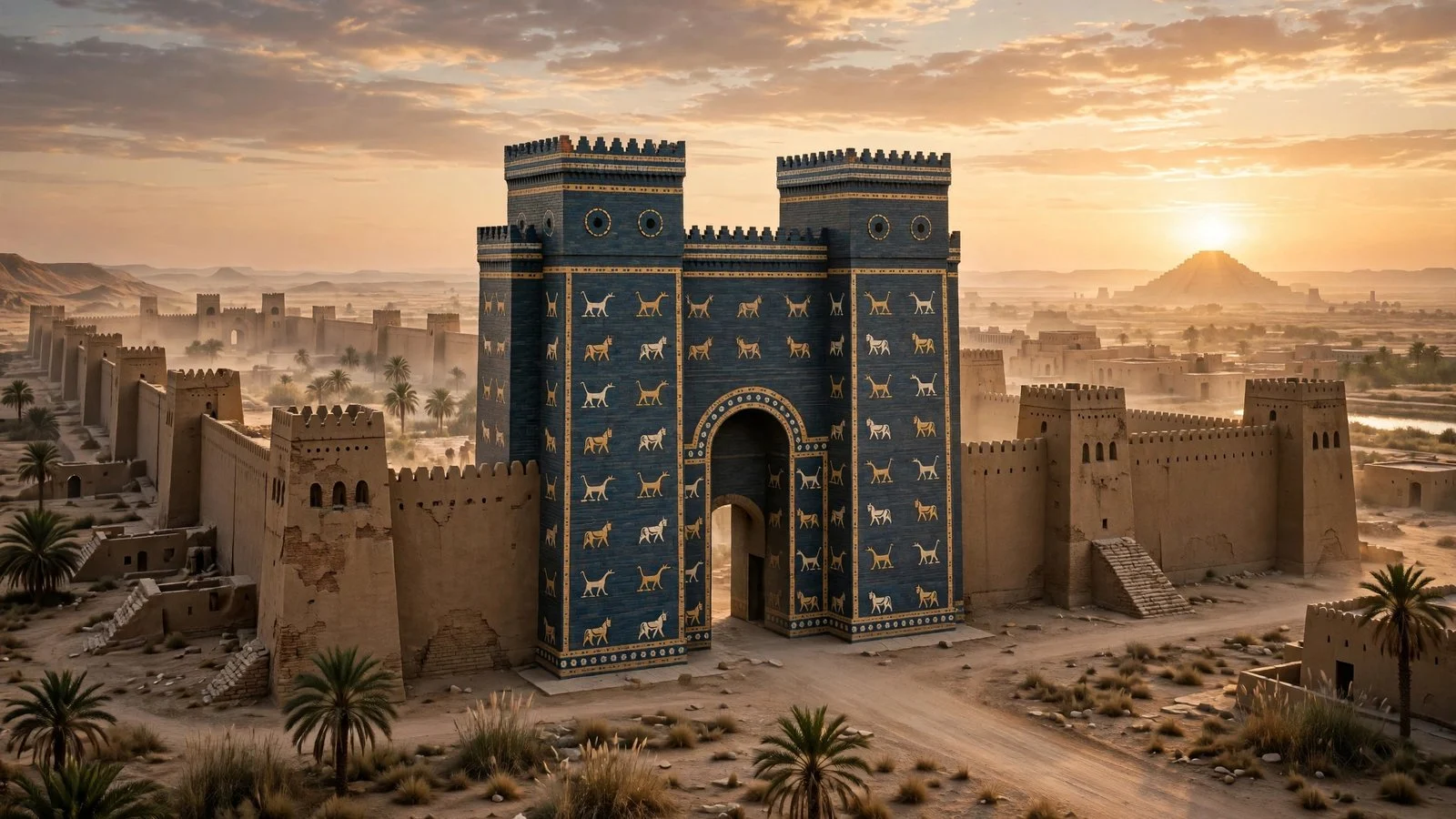
Nebuchadnezzar II ruled the Neo-Babylonian Empire from about 605 to 562 BC. He was its most powerful king, a military leader who defeated Egypt at Carchemish, captured Jerusalem, and turned Babylon into one of the wonders of the ancient world. Massive walls, grand palaces, and the famous Ishtar Gate all belong to his building campaigns.
Daniel and the Exiles
In 605 BC, Nebuchadnezzar deported members of Judah’s elite to Babylon. Among them was Daniel, a young man selected for three years of training in the language and learning of the Chaldeans before entering the king’s service. Though far from home, Daniel remained loyal to his God, and that loyalty sets the stage for chapter 2.
The Book of Daniel
The book has two halves: court stories in chapters 1-6 and visions in chapters 7-12. It is also written in two languages. Most of it is in Hebrew, but Daniel 2:4b through 7:28 switches to Aramaic, the common language of the Babylonian world. Daniel 2 therefore opens the Aramaic section. Scholars still debate whether the book was composed in the sixth century BC or the second, a question we’ll explore later.
Dreams in the Ancient World
In Babylonian culture, dreams were taken seriously as messages from the gods. Professional diviners interpreted omens and dreams, and kings relied on them for major decisions. This explains the court’s panic when Nebuchadnezzar demanded they reveal the dream itself, not only its meaning.
The Story Unfolded (Daniel 2:1-30)
A Troubled King
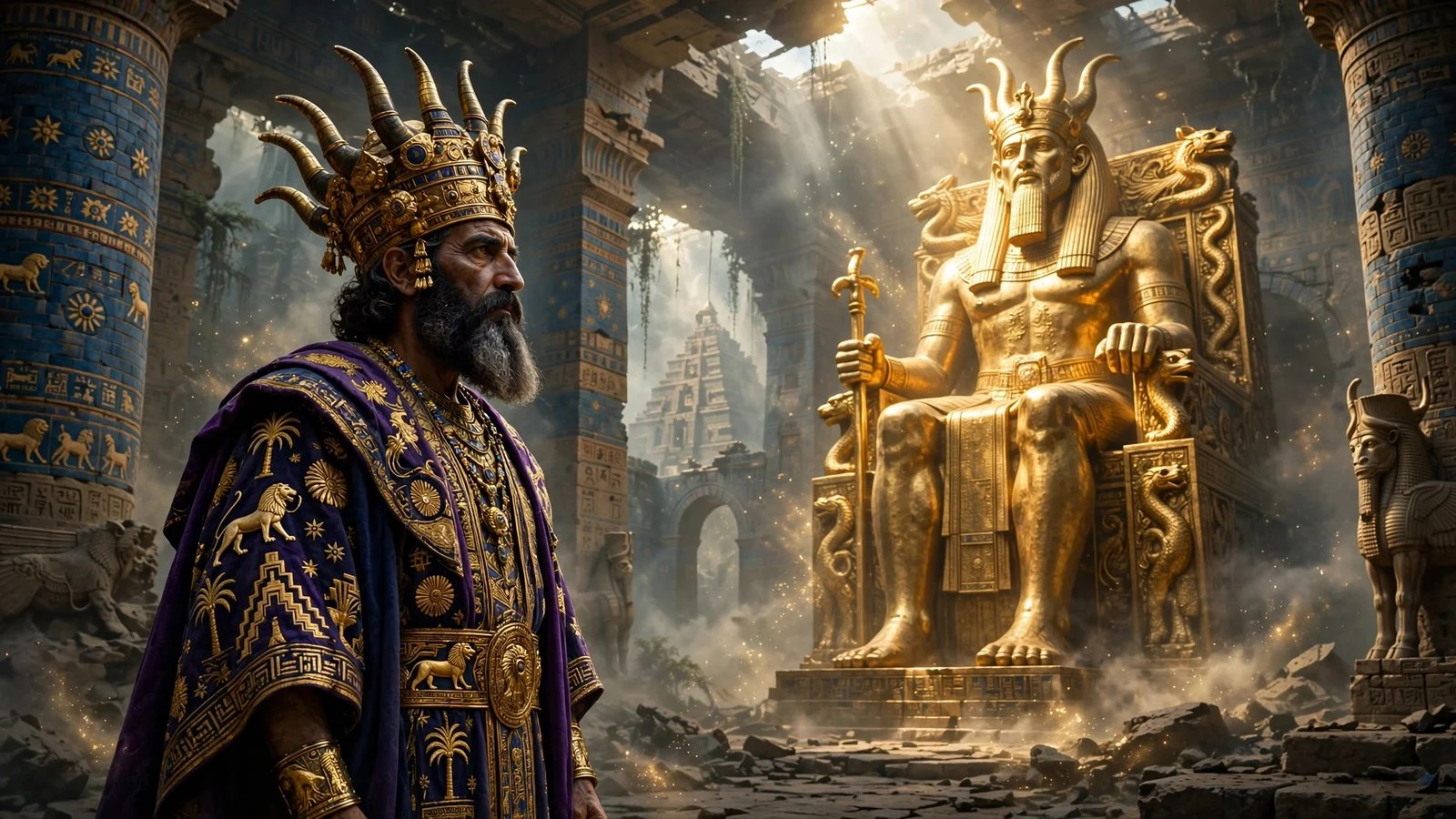
In the second year of his reign, Nebuchadnezzar was haunted by dreams that robbed him of sleep. He summoned his magicians, enchanters, sorcerers, and astrologers and gave them a stunning order: reveal both the dream and its interpretation.
The Wise Men’s Protest
The court protested that no king had ever made such a demand. If the king would tell them the dream, they could interpret it. The king refused, suspecting they were stalling and hoping to invent a convenient meaning. Their final answer was honest: only the gods could do this, and the gods do not live among humans.
Furious, Nebuchadnezzar decreed that every wise man in Babylon be executed. That included Daniel and his three friends, who had not even been present at the meeting.
Daniel Steps In
When the king’s officer came to carry out the decree, Daniel responded with calm wisdom. He asked for time, then returned to his friends and urged them to pray for mercy from the God of heaven. That night, the mystery was revealed to him in a vision.
Daniel’s Prayer and Response
Daniel’s first act was worship. His prayer in verses 20-23 praises God as the one who changes times and seasons, removes kings and sets up kings, and reveals deep and hidden things.
When brought before the king, Daniel made one thing clear: no human wisdom could solve this riddle. As he told Nebuchadnezzar, the secret was revealed not because he was wiser than others, but so the king would understand the dream.
The Central Contrast
The scene sets up a deliberate contrast. Babylon’s experts, trained and respected, fail completely. A young exile, armed with prayer, succeeds. The message is that true insight comes from the God who reveals mysteries.
The Statue Described (Daniel 2:31-35)
What the King Saw
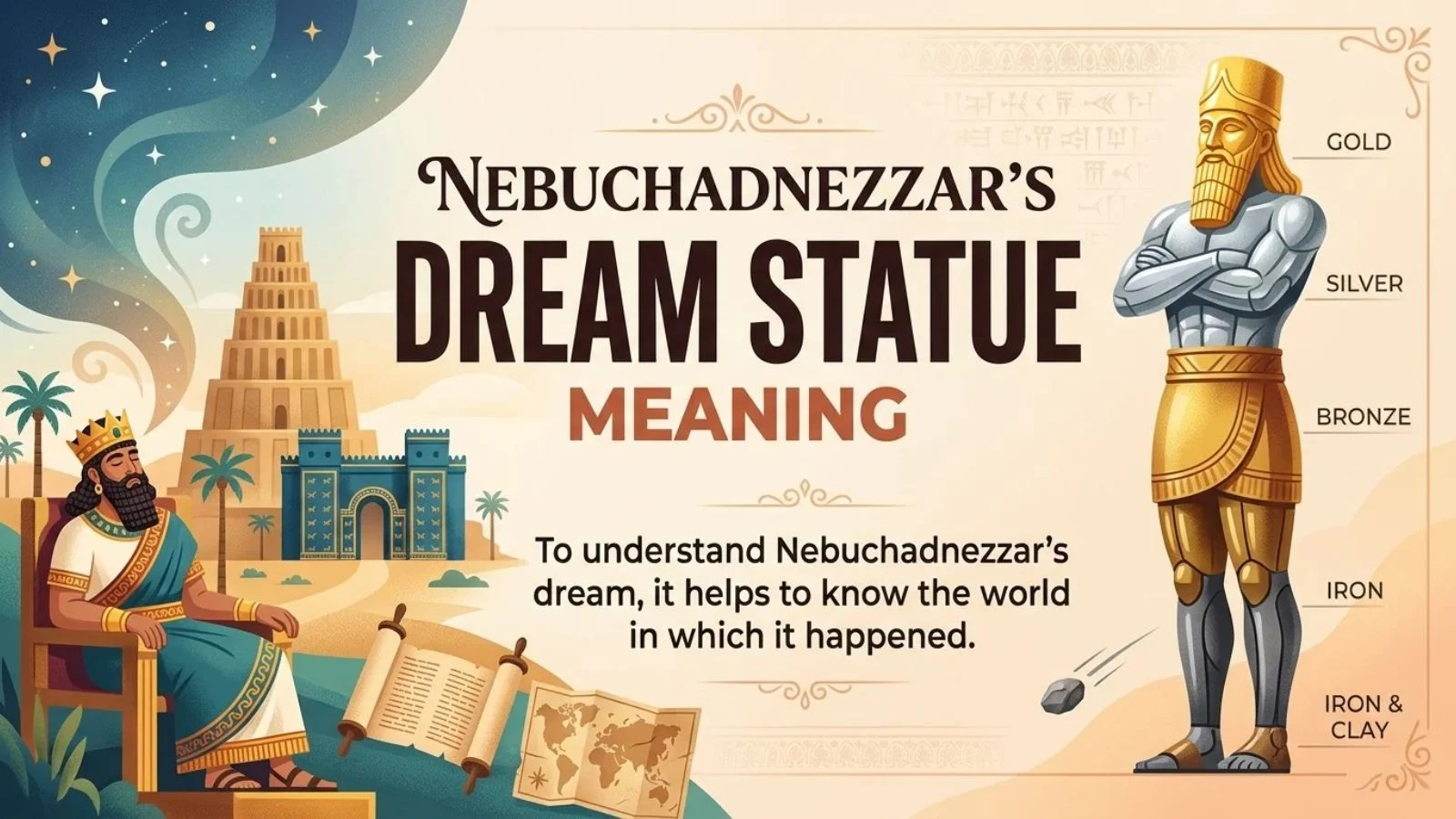
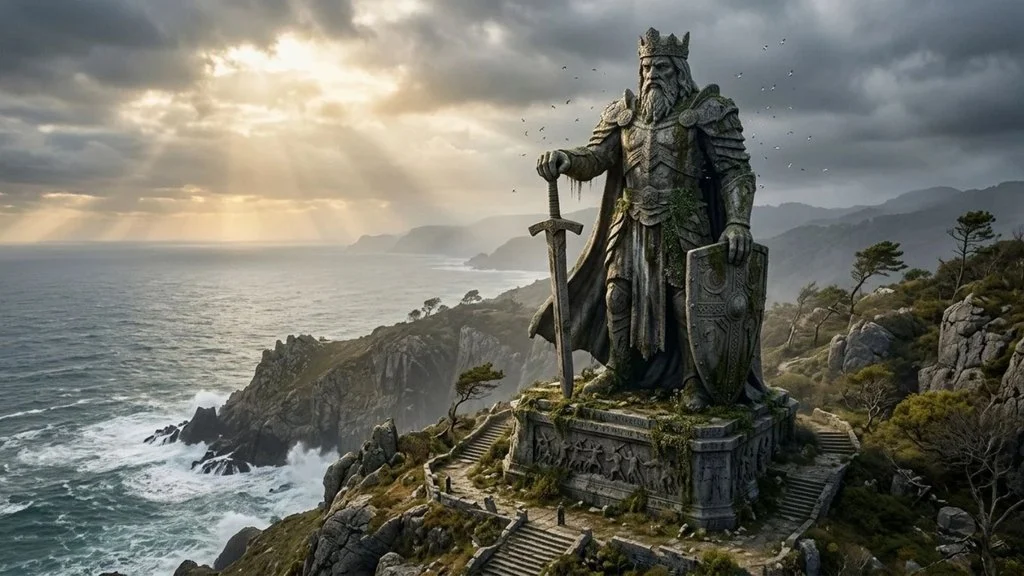
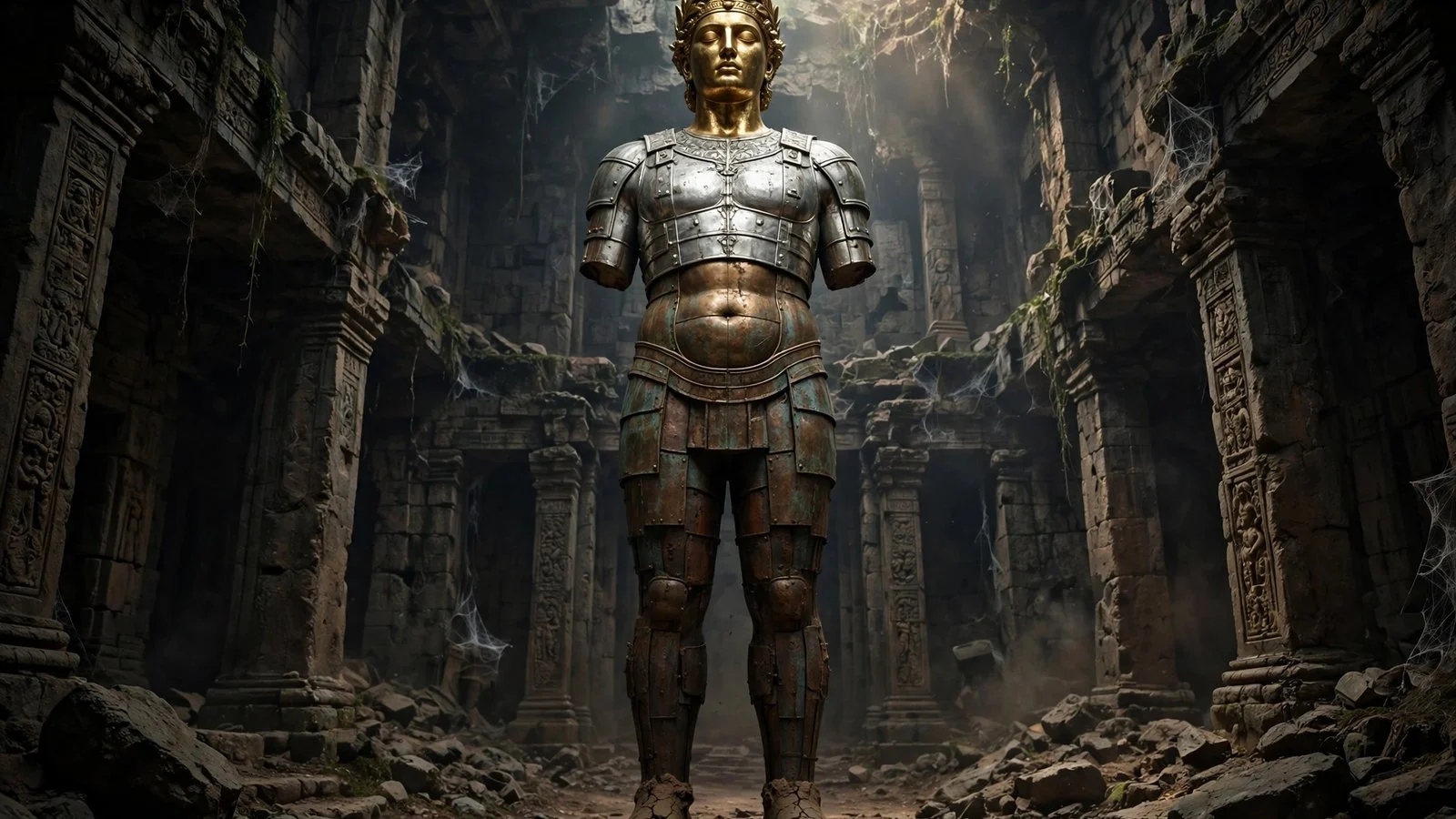
After revealing that the king had dreamed of a great statue, Daniel described it in vivid detail. It was enormous, dazzling, and terrifying. The figure stood before Nebuchadnezzar like a towering human form, built from five different materials arranged from top to bottom.
The Five Layers
| Body Part | Material | Associated Kingdom | Key Characteristics |
| Head | Gold | Babylon | Splendor, wealth, absolute rule |
| Chest and arms | Silver | Second kingdom | Lesser in glory, still powerful |
| Belly and thighs | Bronze | Third kingdom | Wide-reaching authority |
| Legs | Iron | Fourth kingdom | Crushing, breaking strength |
| Feet and toes | Iron mixed with clay | Divided kingdom | Strong yet fragile |
Notice the pattern. The statue’s value decreases as you move downward, yet its metals grow harder. The feet, however, combine iron with brittle clay, making the figure’s foundation its weakest point.
The Stone Cut Without Hands
Then something unexpected happened. A stone was cut out, not by human hands, and struck the statue on its feet. The blow did not merely topple the figure. It shattered iron, clay, bronze, silver, and gold all at once, grinding them to dust.
The wind carried the fragments away like chaff from a summer threshing floor, leaving no trace behind. Every sign of the old order vanished completely.
A Mountain That Fills the Earth
The stone, by contrast, did not disappear. It grew into a great mountain and filled the whole earth. The image is striking: human empires, however impressive, are swept away, while the kingdom represented by the stone endures.
Meaning of Each Part (Daniel 2:36-45)
Head of Gold: Babylon
Daniel’s interpretation begins with a direct identification. Nebuchadnezzar himself is the head of gold, a king of kings to whom God has given dominion, power, and glory (2:37-38). Gold fits the splendor and centralized authority of Babylon at its height.
Chest and Arms of Silver: The Second Kingdom
Daniel says only that another kingdom will arise, inferior to the first. The traditional view identifies it as Medo-Persia, which conquered Babylon in 539 BC. Its inferiority is often understood as a difference in glory or concentrated royal authority rather than in military power.
Belly and Thighs of Bronze: The Third Kingdom
The bronze kingdom will “rule over all the earth” (2:39). Traditionally, this is Greece under Alexander the Great, whose armies swept across the Persian Empire with astonishing speed.
Legs of Iron: The Fourth Kingdom
The fourth kingdom is strong as iron, crushing and breaking everything else (2:40). Most traditional interpreters see Rome, known for its military might and its ability to subdue rival nations.
Feet and Toes of Iron and Clay: A Divided Kingdom
The final stage is a divided kingdom, partly strong and partly brittle, whose rulers mix together but do not truly unite (2:41-43). Note that Daniel never counts the toes in his interpretation, so the number ten is not explicitly stated.
The Stone and the Mountain: God’s Kingdom
In the days of those kings, God will set up a kingdom that will never be destroyed or passed to another people (2:44). The stone is cut “without hands,” signaling a divine rather than human origin. Daniel closes with confidence: the dream is certain, and its interpretation is trustworthy.
Why These Symbols? Decoding the Imagery
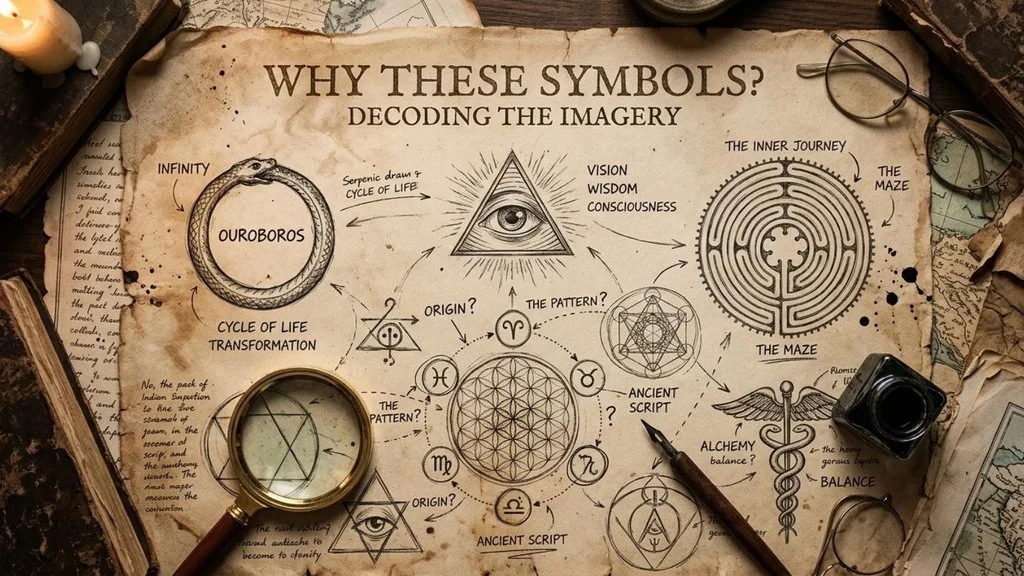
Why did God communicate the future through a statue made of metals? The imagery was carefully chosen, and each detail carries meaning.
Descending Value, Increasing Hardness
The statue moves from gold to silver to bronze to iron, so its materials lose value as they go down. Yet they also become harder and more durable. This suggests a paradox: each kingdom may be less glorious than the last, but more forceful in its use of power. Gold represents splendor, while iron represents brute strength.
Echoes of Ancient Ideas
Some scholars compare the sequence to Hesiod’s Ages of Man, a Greek tradition that described history as a decline from a golden age through silver, bronze, and iron. Similar patterns appear elsewhere in ancient literature. Whether Daniel’s author borrowed this framework or simply used a common cultural image remains debated. Either way, the metals would have felt familiar to ancient readers.
A Picture of History in Sequence
The top-to-bottom structure presents history as a series of stages unfolding one after another. The viewer reads the statue like a timeline, moving from Babylon, the present moment, toward a future that ends with God’s intervention.
A Human Figure Built by Human Hands
The statue is shaped like a person, a fitting symbol of empires built by human ambition. Its splendor is real, but it is manufactured, much like an idol. Nebuchadnezzar’s own later golden image in Daniel 3 shows how easily power turns into self-worship.
Stone Versus Statue
The final contrast is the most important. The statue is crafted by people, but the stone is “cut without hands.” One represents human power; the other, divine power. The statue falls because of its fragile foundation, while the stone endures forever.
Major Interpretations Compared
Few biblical passages have been read in as many ways as Daniel 2. Most differences come down to one question: which kingdoms does the statue represent?
| View | Kingdoms Proposed | Fourth Kingdom | Stone Represents |
| Traditional | Babylon, Medo-Persia, Greece, Rome | Rome | Christ’s kingdom |
| Critical (Maccabean) | Babylon, Media, Persia, Greece | Greece | God’s kingdom after Seleucid rule |
| Futurist | Babylon, Medo-Persia, Greece, Rome (revived) | Rome, with a future form | A future divine intervention |
| Jewish | Varies by tradition | Often Rome or Greece | The messianic age |
| Symbolic | Not tied to specific empires | Not specified | God’s rule over human power |
The Traditional View
Held by many Christian interpreters across the centuries, this reading follows the familiar sequence from Babylon to Rome. Its strength is that it fits the historical order of empires. Its weakness is that Rome is never named in the text.
The Critical View
Many modern scholars separate Media and Persia into two kingdoms, making Greece the fourth. This matches the book’s later visions and a second-century BC setting. Critics respond that Daniel 8 treats Media and Persia as one empire.
The Futurist View
Futurists see the feet and toes as a revived or end-time form of the fourth kingdom, with the stone striking at history’s close. Others reply that verse 44 places the kingdom’s arrival in the days of those kings.
Jewish and Symbolic Readings
Rabbinic and medieval writers often identified the fourth kingdom as Rome or Greece and linked the stone to the messianic age. Symbolic readers focus less on names and more on the pattern: human empires rise and fall, but God’s kingdom lasts.
Date and Authorship Debate
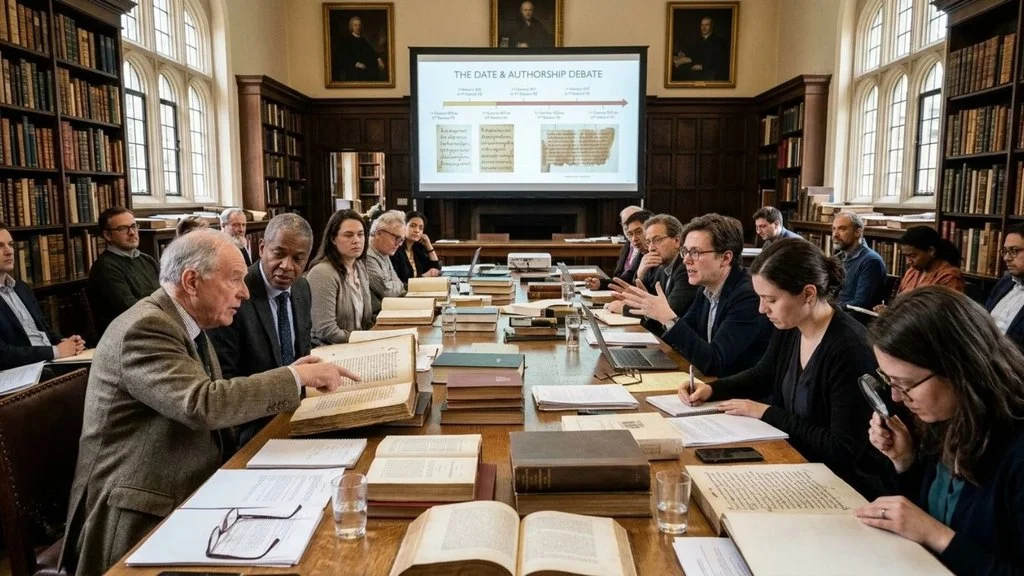
The book of Daniel claims to record events in sixth-century BC Babylon, but scholars disagree about when it was actually written. The question matters because it shapes how the four kingdoms are identified.
The Case for a Sixth-Century Date
Supporters of an early date point first to the book’s own claims. It presents Daniel as an eyewitness who lived through the exile, and later tradition accepted this view for centuries. They also argue that the Aramaic in chapters 2-7 fits older forms of the language, and that discoveries among the Dead Sea Scrolls show Daniel was already widely copied and respected by the second century BC. Some also note that the book’s setting in Babylon reflects genuine knowledge of Neo-Babylonian court life.
The Case for a Second-Century Date
Other scholars argue that Daniel was completed during the Maccabean crisis, around 165 BC. Their main evidence is the precision of the visions, especially chapter 11, which describes Hellenistic conflicts in great detail up to the reign of Antiochus IV and then becomes less specific. They also see the book’s apocalyptic style as typical of later Jewish literature, and they point to a few Greek loanwords in the text.
Why the Date Matters
The date affects how the statue is read. An early date makes Rome a natural fit for the fourth kingdom, since Rome had not yet risen and the prophecy looks far ahead. A late date favors Greece as the fourth kingdom, with the dream written to encourage Jews suffering under Seleucid rule.
A Balanced Approach
Readers can learn from Daniel 2 whichever view they hold. Its central message, that God rules over every empire, does not depend on settling this debate.
Historical Fulfillment and Timeline
Readers who follow the traditional view often ask how well history matches the statue. Here is how the sequence looks when placed on a timeline.
Timeline of the Empires
| Empire | Approximate Dates | Statue Material |
| Babylon | 605-539 BC | Gold |
| Medo-Persia | 539-331 BC | Silver |
| Greece | 331-146 BC | Bronze |
| Rome | 146 BC-AD 476 | Iron |
How Each Empire Fits the Imagery
Babylon reached its height under Nebuchadnezzar, with immense wealth and a king whose authority was largely unchecked. Gold suits that centralized splendor.
Medo-Persia took Babylon in 539 BC and ruled a larger territory. Its kings, however, were often bound by law and counsel, which some read as the “inferior” quality of silver.
Greece under Alexander moved with astonishing speed, defeating the Persian Empire in roughly a decade. Bronze, associated with armor and weapons, fits the Greek soldier, and the empire’s reach matches the phrase “rule over all the earth.”
Rome conquered through disciplined legions and relentless force. Its ability to crush and absorb other nations matches the iron legs of verse 40.
Division as Background for the Feet
After Alexander’s death, his empire split among rival generals, producing kingdoms such as the Ptolemaic and Seleucid dynasties. The Roman world was also eventually divided into eastern and western halves. Interpreters see these divisions, along with political alliances that never truly held, as echoes of iron mixed with clay.
A Note of Caution
Historical parallels are persuasive to many readers, but they are interpretations rather than proof. How closely the fit works depends on which view you hold, as discussed earlier.
Parallel Visions in Daniel
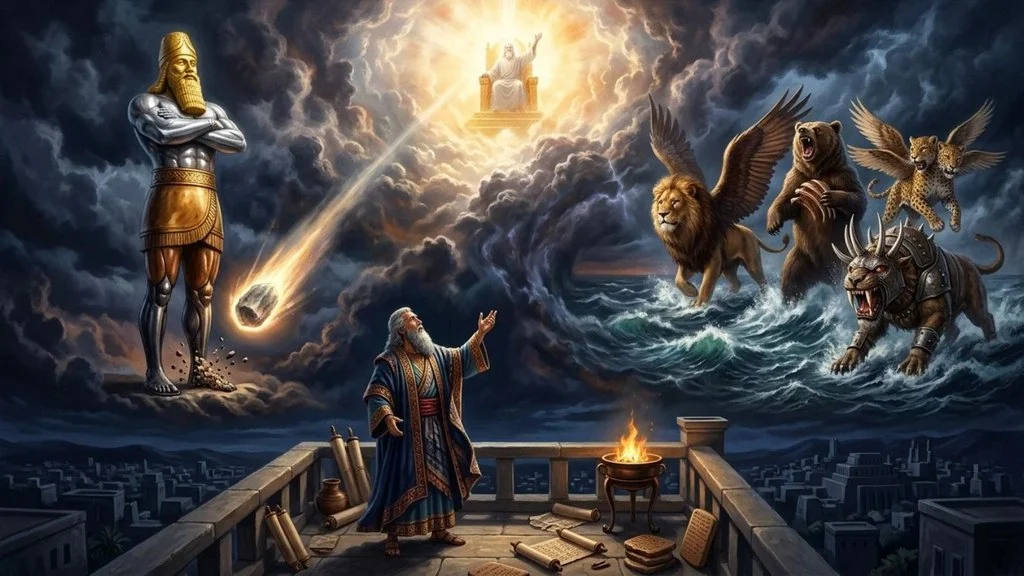
Daniel 2 is not the only place where the book outlines the sweep of history. Three other chapters present related visions, each using different imagery to deliver a similar message.
Daniel 7: Four Beasts
Daniel’s own dream, set decades after Nebuchadnezzar’s, shows four beasts rising from a stormy sea: a lion, a bear, a leopard, and a terrifying creature with iron teeth and ten horns. Then the scene shifts to a heavenly court, where the Ancient of Days takes his seat and one like a son of man receives an everlasting kingdom. Many readers see a clear parallel with the statue’s four metals and the stone.
Daniel 8: Ram and Goat
Here the identification is explicit. The angel Gabriel names the two-horned ram as Media and Persia and the goat as Greece (8:20-21). This is why many interpreters treat Daniel 8 as a key for reading the earlier visions.
Daniel 11: Hellenistic Conflicts
The final vision traces battles between northern and southern kings, widely linked to the Seleucid and Ptolemaic dynasties. It zooms in on the details that Daniel 2 only hints at.
Comparison Table
| Element | Daniel 2 | Daniel 7 | Daniel 8 |
| Symbol | Metal statue | Four beasts | Ram and goat |
| Kingdoms | Four | Four | Media-Persia, Greece |
| Outcome | Stone fills the earth | Everlasting kingdom given | Ruler broken “without human hand” |
Why Repeat the Message?
Each vision shifts perspective. Chapter 2 shows empires as a magnificent human monument, while chapter 7 shows them as severe beasts. Together they teach that human power looks impressive from the outside but destructive from heaven’s view, and that God’s kingdom wins in the end.
Nebuchadnezzar’s Response and Arc
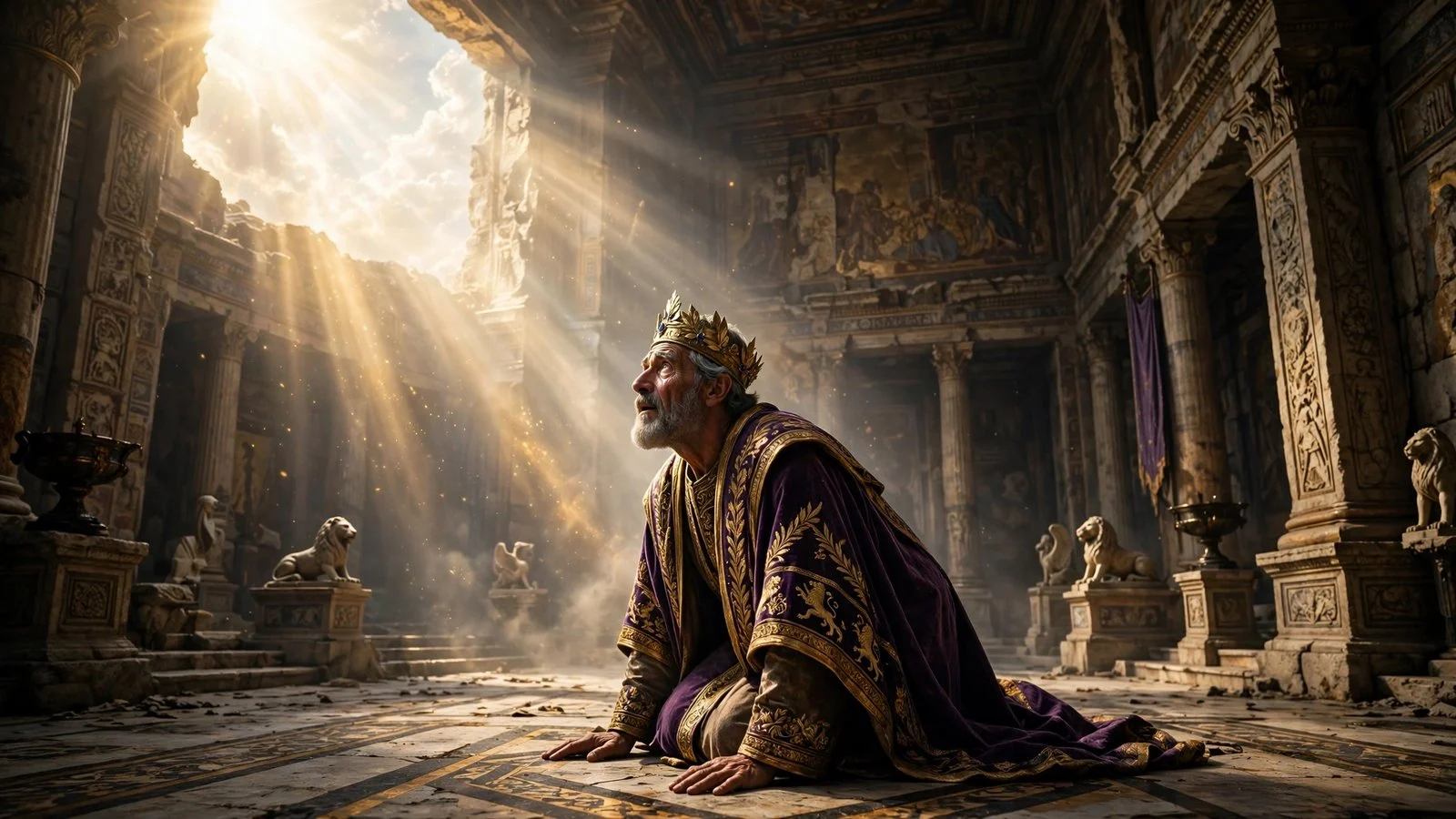
Daniel 2 does not end with the interpretation. The king’s reaction shows how much he understood, and how much he missed.
The King’s Reaction (Daniel 2:46-49)
Nebuchadnezzar fell on his face before Daniel and ordered that an offering be made to him. Then he made a striking confession: Daniel’s God is “God of gods and Lord of kings and a revealer of mysteries” (2:47). He promoted Daniel to ruler over Babylon’s province and chief over its wise men, and at Daniel’s request, he placed his three friends in administrative posts.
The response is impressive but incomplete. The king honored God with his words, yet he also bowed to a man, showing that his grasp of the truth was still shallow.
The Golden Image in Daniel 3
Soon afterward, Nebuchadnezzar built a massive image of gold and demanded that everyone worship it. Many readers see this as a deliberate echo of the dream. Told that he was the head of gold, the king appears to have wanted an entire statue of gold, a monument to an empire that would never fade. He heard that his kingdom would be succeeded and responded by trying to make it permanent.
The Humbling in Daniel 4
The king’s pride finally collapsed when he lost his sanity for a period, living like an animal until he acknowledged that heaven rules. When his reason returned, he praised the Most High, whose dominion is everlasting (4:34). In a sense, he finally absorbed the lesson of the stone.
What This Reveals
Nebuchadnezzar’s journey shows that being impressed by God is not the same as submitting to him. Power tempts even those who have seen the truth to trust themselves instead.
The Stone and the Wider Biblical Story
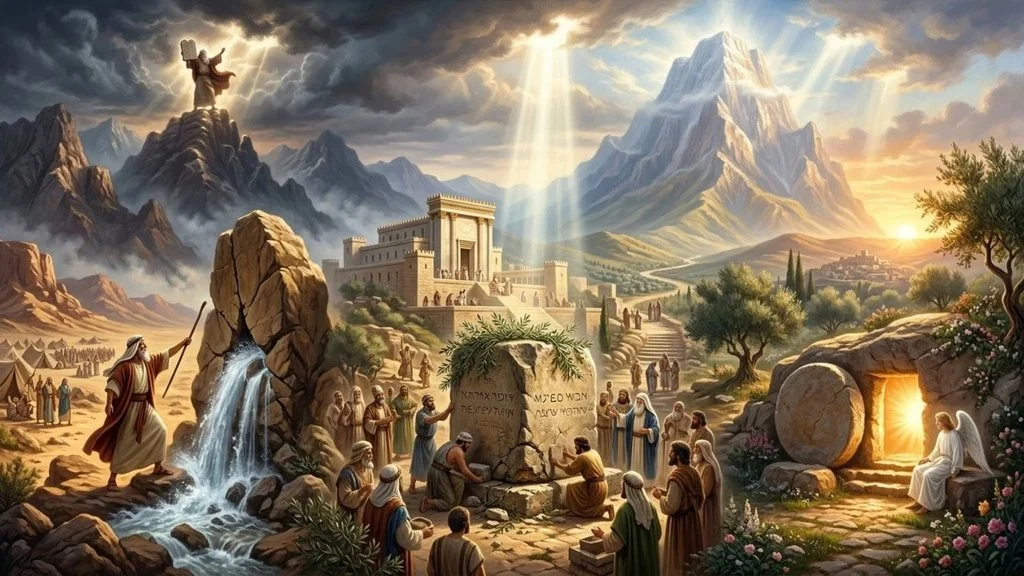
The stone in Daniel 2 is not an isolated image. Stone language runs throughout Scripture, and later writers often returned to it.
Stone Imagery in Scripture
The Psalms speak of a stone the builders rejected that became the cornerstone (Psalm 118:22). Isaiah describes a tested stone laid in Zion as a sure foundation (Isaiah 28:16). In Zechariah 4, a stone is brought out amid the promise that God’s work will succeed “not by might, nor by power, but by my Spirit.” Though the contexts differ, a common thread emerges: God uses a stone to accomplish what human strength cannot.
From Daniel to the Kingdom Message
Daniel’s central claim is that God will establish a kingdom that outlasts every empire. Centuries later, Jesus opened his ministry by announcing that the kingdom of God was at hand (Mark 1:15). In Matthew 21:42-44, he applies the rejected-stone imagery to himself and speaks of a stone that crushes whoever falls on it. Many readers hear a direct echo of Daniel 2 in this warning.
Echoes in Revelation
The book of Revelation closes with a similar picture. Earthly powers give way, and a kingdom of the world becomes the kingdom of God and his Messiah, who will reign forever (Revelation 11:15). The themes of fallen empires and an eternal kingdom resurface in new imagery.
Two Traditions, Two Readings
Christian tradition typically identifies the stone with Christ and his kingdom, beginning with his first coming and growing through history. Jewish tradition generally reads the stone as a sign of the messianic age, when God’s rule is fully revealed. Both agree on the core point: the kingdom that ends all kingdoms comes from God, not from human effort.
Key Themes and Theological Lessons

Beyond its interpretations, Daniel 2 carries lasting lessons that speak to readers in every age.
God’s Sovereignty Over History
The chapter’s boldest claim is that God “removes kings and sets up kings” (2:21). Nebuchadnezzar, the most powerful man alive, received his authority as a gift. History is not random or controlled by rulers alone. A higher hand guides its direction, even when events look chaotic.
The Transience of Human Empires
Gold, silver, bronze, and iron all fall in the end. No empire, however dazzling or forceful, lasts forever. The statue’s fragile feet remind us that even the strongest systems carry weaknesses that eventually surface. Readers who feel overwhelmed by the power of nations and institutions can find perspective here.
The Revealer of Mysteries
Babylon’s experts could not solve the king’s riddle, but God could. Daniel never claims credit, insisting that the secret came from heaven. The theme is humility before the source of true wisdom. Human cleverness has limits, and some truths can only be received, not discovered.
Faithfulness Under Pressure
Daniel faced a death sentence, yet his first response was calm prayer rather than panic. He turned to his friends, asked for mercy, and gave thanks when his prayer was answered. His example shows what faithful living looks like in a hostile or unstable environment.
Humility for the Powerful, Hope for the Powerless
The chapter speaks to two audiences at once. To rulers, it warns that their power is borrowed and temporary. To exiles and the vulnerable, it promises that injustice does not have the final word, because God’s kingdom will outlast every throne.
Common Misconceptions and Questions
Daniel 2 raises many questions, and a few popular assumptions deserve a closer look.
Does the statue predict the modern world?
The text places the stone’s arrival “in the days of those kings” (2:44), so most interpreters tie the statue to ancient empires. Some futurists extend the feet into the present or future, but the passage itself never mentions modern nations.
Are the ten toes ten nations?
Not explicitly. Daniel describes the feet and toes but never counts them in his interpretation. Linking the toes to ten modern countries or a future confederation is an inference, not something the text states.
Why does Daniel not name the later kingdoms?
Only Babylon is identified by name. The other kingdoms are described by their qualities rather than their titles, which leaves room for different readings. The chapter’s focus is on the pattern of rise and fall, not on a detailed list of empires.
Was Babylon really the head of gold?
Yes. Daniel says so directly: “You are the head of gold” (2:38). This is the one identification no interpreter disputes.
Is the dream historical or literary?
It depends on the reader. Traditional readers treat it as a real event in Nebuchadnezzar’s court. Some critical scholars see a literary account shaped to encourage later Jewish readers. Both agree that the chapter’s message about God’s sovereignty is central.
Why does the king forget the dream?
The text says the dream left his spirit troubled but his memory blank. Whether he truly forgot or was testing his advisors is debated. Either way, the loss sets up the chapter’s main contrast: only God, not human expertise, can reveal what was hidden.
Practical Application

The dream is ancient, but its lessons reach into everyday life. Here are several ways to apply it today.
Trust God Amid Instability
Headlines about political tension, economic uncertainty, and cultural change can leave anyone anxious. Daniel 2 reminds us that rulers and systems rise and fall under a higher authority. This does not make us passive, but it does lift the burden of believing everything depends on who holds power.
Seek Wisdom Through Prayer
Facing a crisis, Daniel did not rely on his own cleverness. He asked his friends to pray, then praised God when the answer came. When we face hard decisions, shared prayer and humility are a wise starting point.
Resist the Idolatry of Power and Status
Nebuchadnezzar’s golden image shows how easily success becomes self-worship. Ask honestly where you might place your trust in wealth, reputation, or influence instead of God.
Find Hope in Seasons of “Exile”
Many people feel like outsiders in their workplace, community, or culture. Daniel lived faithfully in a foreign land and was used by God there. His story encourages believers to stay steady and serve well, even when circumstances feel unfriendly.
Reflection Questions
- Where do you feel most tempted to place your security in human power or achievement?
- How does knowing God sets up and removes rulers change the way you view current events?
- When did you last face a problem that only prayer could solve?
- What would it look like to serve faithfully in your own “Babylon”?
- How can you encourage someone who feels overwhelmed by forces beyond their control?
Frequently Asked Questions
What is the meaning of Nebuchadnezzar’s dream statue?
The statue represents a succession of four human kingdoms, symbolized by gold, silver, bronze, and iron mixed with clay. A stone cut without hands destroys it and grows into a mountain, picturing God’s eternal kingdom replacing all human empires.
Who is the head of gold in Daniel 2?
Daniel says it plainly: Nebuchadnezzar and the Babylonian Empire he ruled (2:37-38). No interpreter disputes this identification.
What are the four kingdoms in Daniel 2?
The traditional view lists Babylon, Medo-Persia, Greece, and Rome. Many critical scholars list Babylon, Media, Persia, and Greece. The text names only Babylon.
What do the iron and clay feet mean?
They picture a final kingdom that is partly strong and partly brittle. Its rulers mix together but never truly unite (2:41-43). Interpreters apply this to the divided successors of Alexander, the split Roman world, or a future power.
What does the stone cut without hands represent?
The stone represents God’s kingdom. Being cut “without hands” signals a divine rather than human origin. Christians typically identify it with Christ’s kingdom, while Jewish tradition reads it as the messianic age.
Conclusion
A king dreamed of a dazzling statue, and a young exile explained what it meant. Gold, silver, bronze, and iron mixed with clay each stand for a human kingdom, impressive in its time yet unable to last.
If you follow the traditional reading from Babylon to Rome or the critical reading ending with Greece, the central message is the same: God rules over history, and every empire eventually gives way.
The stone cut without hands is the chapter’s final word. It shatters the statue and grows into a mountain that fills the earth, a kingdom that will never be destroyed.
That promise gave hope to exiles in Babylon, and it still speaks to anyone who feels overwhelmed by forces beyond their control.
The Nebuchadnezzar dream statue meaning endures because it is about more than ancient kingdoms — it is a reminder that every human power fades, while God’s kingdom stands.