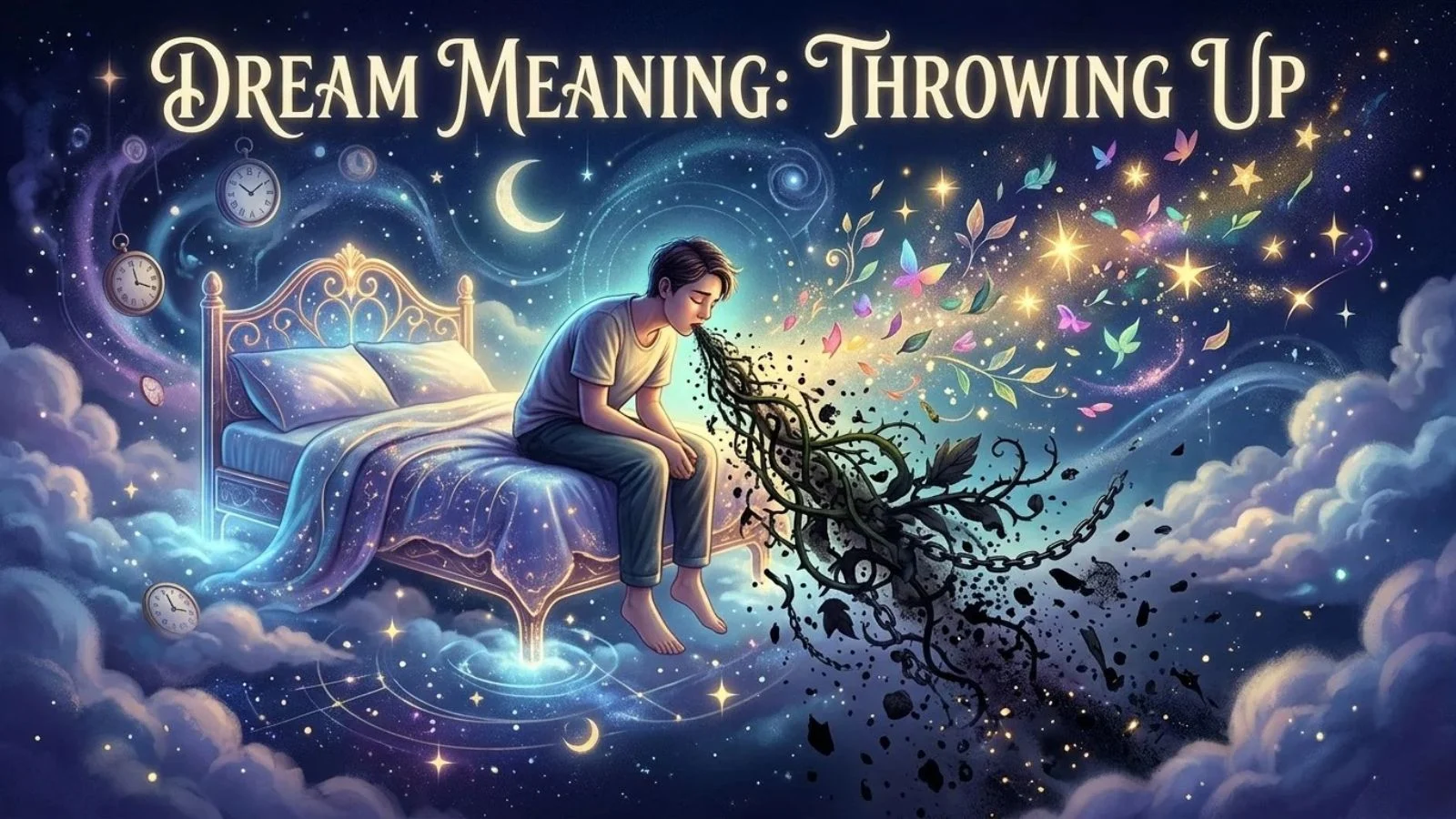
You wake up with your heart racing, your stomach churning, and a lingering sense of embarrassment.
In your dream, you were throwing up, and it felt disturbingly real naturally, you start wondering what it means.
Take a breath. Throwing up in dream meaning is rarely a literal warning about your health. Vomiting dreams are surprisingly common, and they usually point to what’s happening in your emotional life rather than your body.
Vomiting is one of the most visceral symbols the mind can produce, which is exactly why this dream is so hard to shake.
Depending on the details, it can signal emotional release, a rejection of something toxic, guilt, overwhelm, or even a fresh start.
In this guide, we’ll explore the psychology and science behind vomiting dreams, spiritual interpretations, specific scenarios, and practical steps for what to do next.
Quick Answer Box (place right after the intro, for featured snippet targeting):
What does throwing up in a dream mean? Throwing up in a dream usually symbolizes releasing pent-up emotions, rejecting something toxic, or feeling overwhelmed.
The exact meaning depends on the setting, what comes out, and how you felt during and after the dream.
Quick Summary: What Vomiting Dreams Usually Mean

While every dream is personal, vomiting dreams tend to fall into a handful of recurring themes. Think of the list below as a starting point. The sections that follow will help you narrow down which one fits your situation.
1. Emotional release
Your mind may be trying to let go of feelings you’ve been holding in, such as anger, sadness, or stress. The dream acts like a pressure valve.
2. Rejection of something toxic
Vomiting is the body’s way of expelling what doesn’t belong. In dreams, it often represents pushing away a harmful person, habit, job, or belief.
3. Guilt, shame, or confession
Feeling the need to “come clean” or get something off your chest can show up as throwing up, especially if you’re carrying a secret or regret.
4. Overwhelm or burnout
If you’ve been taking in too much, whether responsibilities, information, or other people’s problems, the dream may reflect that you’ve reached your limit.
5. Fear of judgment or loss of control
Vomiting in front of others is deeply embarrassing, so these dreams often connect to anxiety about being exposed, criticized, or unable to hold it together.
6. Cleansing and renewal
Not every vomiting dream is negative. If you felt relieved afterward, the dream may signal healing, personal growth, or a fresh start.
7. Physical discomfort
Sometimes the cause is simple. Indigestion, a heavy late-night meal, alcohol, illness, or medication can trigger nausea that your sleeping brain weaves into the dream.
The key takeaway: Pay attention to how you felt. Relief usually points to healing and release,
while distress or disgust often signals unresolved stress or fear.
Many people wake up shaken and ask what does a dream about throwing up mean. In most interpretations, throwing up in your dream points to release — your mind getting rid of something toxic, whether that is guilt, a bad habit, or a situation that has been making you feel sick inside. That is also the vomiting in the dream meaning people search for when the dream feels so real: the body uses the image of vomiting to show what it wants to reject. People looking for the dream meaning of throwing up, or simply dreams of throwing up and a dream of throwing up, usually find the same message — an unpleasant dream that is actually a healthy sign your mind is clearing out what it no longer needs.
Why Do We Dream About Throwing Up? The Science

Dreams may feel random, but they follow patterns shaped by your brain, body, and daily life. Understanding how vomiting dreams form can help you separate a symbolic message from a simple physical reaction.
How Dreams Form
Most vivid dreaming happens during REM (rapid eye movement) sleep, when the brain is highly active. During this stage, the brain processes emotions, sorts memories, and blends them into stories. The emotional centers of the brain are especially active while the logical, filtering parts quieter down. That’s why dreams can feel intense, strange, and deeply personal at the same time.
Your body also plays a role. Sensations during sleep, like stomach discomfort or a dry mouth, are often woven into the dream narrative rather than ignored.
Physical Triggers
Sometimes a vomiting dream starts in the body. Common causes include:
- Indigestion, acid reflux, or eating late at night
- Alcohol or heavy, spicy meals before bed
- Illness, fever, or stomach bugs
- Medication side effects
- Pregnancy-related nausea
- Poor sleep quality or sleep disorders
Psychological Triggers
More often, the cause is emotional. Chronic stress, unresolved conflict, anxiety, grief, or trauma can all surface as vomiting imagery. Major life changes, such as a new job, a breakup, or a move, are also common triggers, since your mind is working overtime to process them.
Psychological Interpretations

Psychologists have approached dreams from several angles, and each offers a different lens for understanding why vomiting shows up in your sleep. You don’t have to choose one. Together, they can help you see which interpretation resonates most with your situation.
The Freudian View
Sigmund Freud believed dreams reveal repressed thoughts and desires. From this perspective, throwing up may symbolize suppressed feelings forcing their way to the surface. If you’ve been avoiding a difficult truth, your unconscious mind may “expel” it while you sleep.
The Jungian View
Carl Jung saw dreams as messages from the unconscious that help us grow. Vomiting could represent expelling the “shadow self,” the parts of your personality you reject or feel ashamed of. It may also signal that something unhealthy in your life is ready to be released.
The Modern Cognitive View
Many contemporary researchers see dreams as a form of emotional regulation. Your brain uses dreaming to process stress, rehearse reactions, and make sense of difficult experiences. A vomiting dream may simply be your mind’s most vivid way of saying, “This is too much.”
The Gestalt View
Gestalt therapy treats every element of a dream as part of the dreamer. Here, the vomit isn’t just an object. It represents something inside you that needs acknowledgment, whether a feeling, a conflict, or an unspoken need.
Disgust, Anxiety, and Perfectionism
Disgust is closely tied to moral discomfort, so vomiting dreams often appear when something violates your values. They are also common among people-pleasers and perfectionists, who tend to swallow their feelings and avoid conflict.
Core Symbolic Meanings of Throwing Up in a Dream
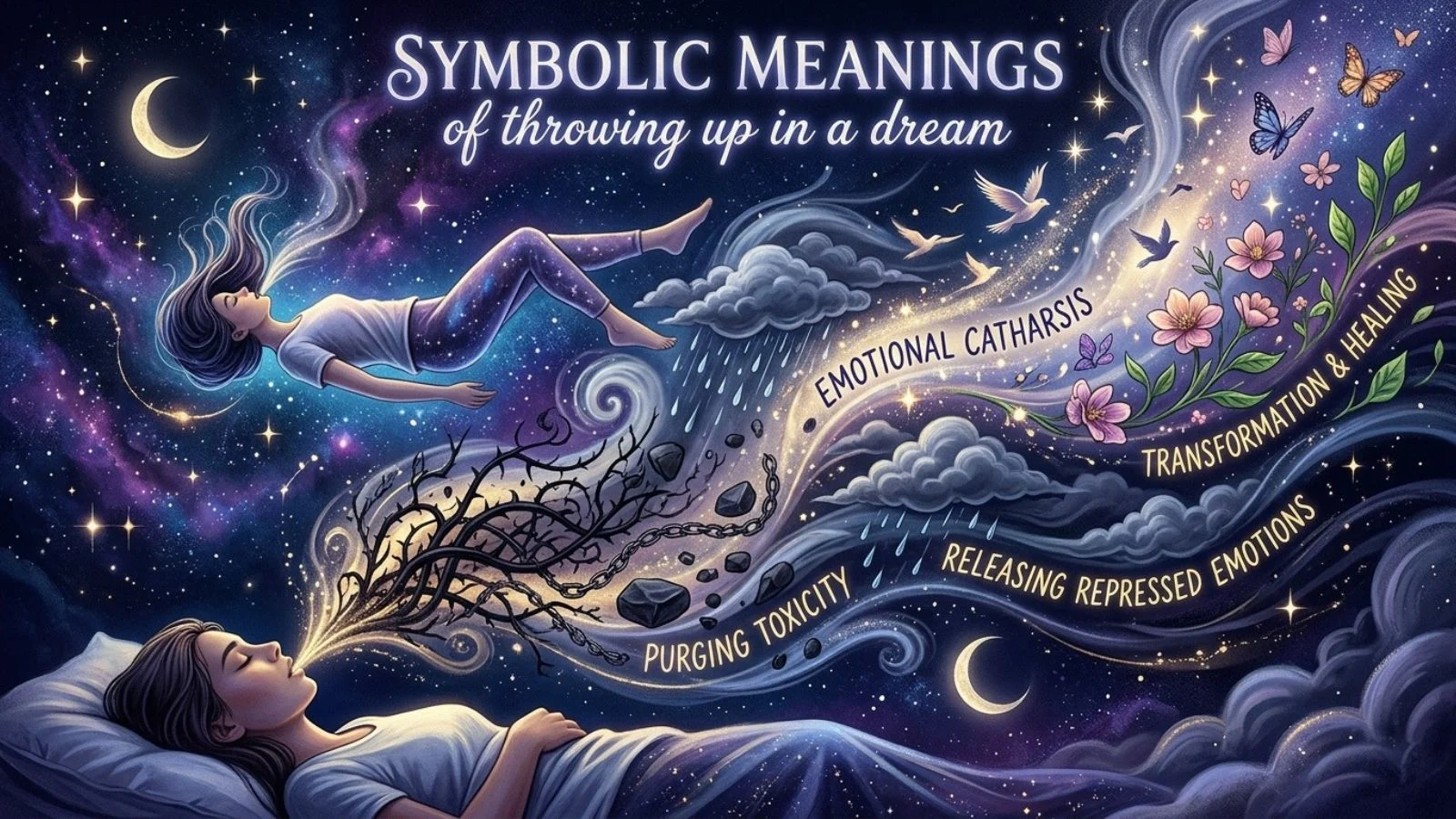
Beyond science and psychology, vomiting dreams carry rich symbolism. Here are the most common meanings, each with a question to help you reflect.
Dreams about vomiting and dreams of vomiting point to the same idea: something inside you wants out. A dream vomiting scene often appears when you have swallowed anger, guilt, or a truth you cannot say out loud — and the dream gives that pressure a physical form so you can finally release it.
1. Emotional Release and Catharsis
Throwing up can represent letting out emotions you’ve bottled up. After a stressful stretch, the dream may offer relief your waking self hasn’t allowed. Ask yourself: What feelings have I been holding in?
2. Purging Toxic Relationships or Environments
Just as the body expels poison, your mind may be rejecting a draining person, workplace, or habit. Ask yourself: Who or what leaves me feeling “sick”?
3. Guilt and the Need to Come Clean
If you’re hiding a secret or carrying regret, vomiting may symbolize the urge to confess and clear your conscience. Ask yourself: Is there something I need to admit or apologize for?
4. Feeling Overwhelmed or “Fed Up”
Everyday language already links being overwhelmed with feeling sick. When you take on too much, the dream may show you’ve hit capacity. Ask yourself: Where am I overextended?
5. Rejecting Imposed Expectations
You may be refusing ideas, advice, or pressures others have forced on you. Ask yourself: What have I been told to accept that doesn’t feel right?
6. Fear of Embarrassment
Vomiting in front of others touches deep fears of humiliation and exposure. Ask yourself: Am I afraid of being judged?
7. Loss of Control and Vulnerability
Vomiting is involuntary, so the dream may reflect a situation where you feel powerless. Ask yourself: Where do I feel out of control?
8. Health Anxiety
Worry about your body, or actual physical symptoms, can seep into dreams. Ask yourself: Have I been ignoring signs my body is sending?
9. Self-Rejection
Sometimes the thing being expelled is you, or parts of you. This can reflect harsh self-criticism. Ask yourself: Am I being too hard on myself?
10. Rebirth and Fresh Starts
Clearing out the old makes room for the new. Ask yourself: What am I ready to leave behind?
Dream Scenarios and Their Meanings

The details of your dream shape its meaning. Here are the most common scenarios, grouped by setting, substance, and experience.
Dream throwing up is one of the most vivid dreams people report, and dreams about throwing up usually mean your mind is trying to get rid of something — a feeling, a memory, or a situation that no longer sits right. The throwing up in a dream meaning is rarely about illness; it is more often about release, so notice what you were throwing up and how you felt afterward.
By Setting
Throwing up in public: Often reflects fear of embarrassment or being exposed. You may feel pressure to keep up appearances. Ask yourself: Where do I fear being judged?
Throwing up at work or school: Suggests performance anxiety or stress from expectations in that environment.
Throwing up at a party or wedding: May point to discomfort with social situations or feeling out of place.
By What Comes Out
Throwing up blood: Often symbolizes emotional exhaustion, deep pain, or a sense of losing vitality, sometimes tied to a painful relationship or family issue.
Throwing up black liquid or bile: Commonly linked to bitterness, resentment, or toxic feelings you’re ready to release.
Throwing up hair, worms, or insects: Can represent disgust toward something that has been “crawling under your skin,” such as a lingering worry, a person, or a hidden problem.
Throwing up objects (coins, stones, glass): May signal that you’re expelling burdens, financial stress, or words you wish you hadn’t said.
By Who Is Involved
Someone else throwing up: Can reflect your reaction to that person’s behavior, or concern about their wellbeing.
Throwing up on someone: May suggest you’re “dumping” emotions on them or feeling guilty about how you’ve treated them.
A child vomiting: Often links to protectiveness, worry, or concern about innocence and vulnerability.
By Experience
Being unable to vomit: Suggests you’re struggling to express or release something that’s stuck.
Vomiting repeatedly: Points to an issue you haven’t fully processed, or ongoing stress that keeps resurfacing.
Feeling relief afterward: A positive sign of healing and emotional release.
Feeling disgusted or sick afterward: Suggests unresolved stress, guilt, or fear.
The takeaway: Note the setting, the substance, and your feelings. Together they point to your dream’s specific message.
Emotions Matter: How You Felt in the Dream

Two people can have the same vomiting dream and walk away with completely different meanings. The deciding factor is often emotion. How you felt during and after the dream can tell you more than the imagery itself.
A Simple Framework
Positive feelings point to release and healing. If you felt relieved, lighter, or calm afterward, your mind may be letting go of something that was weighing you down.
Negative feelings point to unresolved stress or fear. If you felt panicked, ashamed, or disgusted, the dream may be highlighting an issue you haven’t dealt with yet.
What Each Emotion May Signal
Relief: You’re processing and releasing built-up tension. This is often a sign of emotional progress or readiness for change.
Disgust: Something in your life, whether a person, situation, or choice, may conflict with your values.
Panic or fear: You may feel anxious about losing control, being exposed, or facing a difficult situation.
Shame or embarrassment: Often linked to fear of judgment, past mistakes, or a secret you’re carrying.
Calm or neutral: The dream may be purely physical, such as a reaction to indigestion, or simply routine emotional processing.
Confusion: You may be sensing that something is off in your life without being able to name it yet.
Putting It Into Practice
Try this quick exercise. Right after waking, write down the single strongest emotion you felt in the dream. Then ask: Where do I feel this same emotion in my waking life?
The answer often reveals the dream’s true source. A dream of vomiting in public that left you feeling embarrassed, for example, may connect to a presentation, a conflict, or a conversation you’ve been dreading.
The takeaway: The imagery sets the scene, but your emotions tell the story. Always interpret the dream through the feeling it left behind.
Spiritual Interpretations

For many people, dreams carry spiritual weight. Across traditions, vomiting often symbolizes purification, repentance, or the release of what no longer serves the soul. Interpretations vary widely, so treat the views below as perspectives rather than predictions.
General Spiritual View
In many spiritual practices, throwing up in a dream represents cleansing. Just as the body expels what it cannot digest, the spirit may be releasing negative energy, old wounds, or emotional blockages. If you felt lighter afterward, this is often read as a sign of renewal.
Chakra Perspective
Some energy-healing traditions connect vomiting dreams to the solar plexus chakra, linked to confidence, willpower, and personal power, and the throat chakra, tied to honest self-expression. A dream of vomiting may suggest you’re struggling to speak your truth or assert yourself.
Biblical Perspective
Scripture uses vomiting as imagery for rejection and return. Proverbs, for example, compares a person repeating a foolish act to a dog returning to its vomit. Many Christian interpreters therefore read these dreams as a call to repentance, to turn away from sin or unhealthy patterns and make a fresh start.
Islamic Perspective
In Islamic dream interpretation, views differ among scholars. Some classical interpreters associate vomiting with repentance, returning wrongfully obtained wealth, or confessing a hidden matter. Others emphasize that context and the dreamer’s condition matter. Dreams are generally understood to carry varying levels of significance, so consulting a knowledgeable scholar is often recommended.
Hindu and Buddhist Views
Both traditions emphasize purification. Releasing impurities, attachments, or negative karma can be reflected in cleansing imagery, including vomiting. The focus is on letting go to move toward clarity and peace.
A note on interpretation: Spiritual readings are reflective tools, not guarantees. Use them to ask what you’re ready to release, rather than to predict events.
Cultural and Folklore Perspectives

Long before modern psychology, people around the world kept records of their dreams and tried to decode them. Vomiting appears in many of these traditions, though its meaning shifts depending on the culture and era.
Traditional Dream Dictionaries
Classic dream dictionaries, popular in Europe and America from the 1800s onward, often gave vomiting dreams a practical reading. Many linked them to getting rid of troubles, recovering from illness, or finally resolving a conflict. Others warned of losses, such as money or opportunities, “coming up” and slipping away. These books tended to give simple, one-line answers, which is why modern interpreters prefer to weigh personal context instead.
Ancient Dream Traditions
Ancient civilizations treated dreams as meaningful, sometimes even divine. In Greece, people slept in healing temples hoping for dreams that would guide their treatment, and physicians sometimes read bodily imagery as a sign of what was happening inside the sleeper. Egyptian and Mesopotamian cultures kept dream manuals that sorted dream symbols into good and bad omens. In such systems, expelling something from the body was commonly tied to cleansing, illness leaving the body, or secrets coming to light.
Regional Superstitions
Folk beliefs vary widely. In some communities, a vomiting dream is thought to mean you will soon get rid of a burden or enemy. In others, it is treated as a warning to guard your money, health, or reputation. Because these beliefs are passed down orally, they differ from village to village and family to family.
Why Meanings Differ
Culture shapes what a society considers clean, shameful, or sacred. A symbol of disgust in one place may signal healing in another.
The takeaway: Folklore offers interesting perspectives, but your own feelings and life circumstances remain the most reliable guide.
Is Throwing Up in a Dream Good or Bad?

The honest answer is that it can be either. Vomiting dreams aren’t universally positive or negative. Their meaning depends on the details of the dream, your emotions, and what’s going on in your waking life.
Positive Interpretations
When the dream leaves you feeling relieved or lighter, it often points to something healthy. These readings include:
- Healing and recovery: You’re moving past a painful period.
- Emotional release: You’re finally letting go of stress, resentment, or grief.
- Clearing negativity: You’re rejecting people, habits, or beliefs that no longer serve you.
- New beginnings: Making space for growth, change, or a fresh chapter.
Negative Interpretations
If the dream feels distressing, it may highlight problems that deserve attention:
- Suppressed distress: Emotions you’ve avoided are demanding to be heard.
- Burnout: You may be taking on more than you can handle.
- Guilt or shame: Something unresolved may be weighing on your conscience.
- Anxiety: Fear of judgment, failure, or losing control may be surfacing.
Neutral Interpretations
Sometimes a vomiting dream means very little. If you ate a heavy meal, had alcohol, felt unwell, or took new medication, your body’s discomfort may simply have slipped into your dream. In that case, there’s no hidden message to decode.
How to Judge Your Own Dream
Ask yourself three quick questions:
- How did I feel right after vomiting?
- What was coming out, and what might it represent?
- What is currently “too much” in my life?
The takeaway: Don’t label the dream as a good or bad omen. Treat it as feedback. Whether it brings relief or unease, it’s an invitation to check in with yourself and make changes where needed.
Recurring Vomiting Dreams

Having a vomiting dream once is common. Having it again and again can feel unsettling. Recurring dreams usually mean your mind is circling an issue it hasn’t finished processing.
Why Dreams Repeat
The brain tends to revisit unresolved emotions or ongoing stressors. If the same imagery keeps returning, it’s often a sign that the underlying concern hasn’t been addressed. Once you acknowledge the issue or make a change, these dreams often fade or shift in tone.
Common Underlying Causes
- Chronic stress: Constant pressure from work, finances, or family.
- Unresolved conflict: An argument or difficult conversation you keep avoiding.
- Anxiety: Ongoing worry that shows up as bodily sensations during sleep.
- Trauma or grief: Painful experiences the mind is still working through.
- Physical factors: Acid reflux, medication effects, or poor sleep quality.
Link to Nightmares and Sleep Disturbances
Recurring vomiting dreams can overlap with nightmares, especially when they come with fear, panic, or waking up distressed. Frequent nightmares can disrupt sleep, which then increases stress, creating a cycle that feeds itself.
When Recurrence Is a Signal
Pay closer attention if the dreams:
- Happen several times a week
- Leave you anxious or exhausted during the day
- Began after a traumatic event or major loss
- Come with physical symptoms, such as persistent nausea or reflux
What You Can Do
Start by keeping a dream journal. Note the date, what happened, how you felt, and what was going on in your life that day. Patterns often emerge within a few weeks. Pair this with better sleep habits, such as avoiding heavy meals and alcohol before bed, and a calming evening routine.
The takeaway: A recurring dream is not a curse or a prediction. It’s a persistent nudge to look at what needs your attention.
Special Situations

Some vomiting dreams have extra context that changes how they should be read. Here are the situations readers ask about most.
During Pregnancy
Vomiting dreams are common in pregnancy, and the cause is often physical. Hormonal changes, nausea, and disrupted sleep can all show up in dreams. Emotionally, they may reflect anxiety about the changes ahead. Dreaming of vomiting does not by itself mean you are pregnant, though some folk traditions treat it as a sign. If you suspect pregnancy, a test is far more reliable than a dream.
After Trauma or Loss
Following a painful event, the mind may use visceral imagery to process grief, shock, or fear. These dreams can be part of healing, but if they are frequent or distressing, speaking with a therapist can help.
In Children and Teens
Young people often dream about vomiting during illness, school stress, or big changes. Children may not have the words to describe worry, so dreams can carry it for them. Offer reassurance, keep bedtime calm, and gently ask about what’s on their mind.
During Illness or Medication Changes
Fever, stomach bugs, and new medications can trigger vivid dreams and nausea. If the dreams started around the same time as a new prescription, mention it to your doctor.
Eating Disorders and Body Image
For people who struggle with disordered eating or body image, vomiting dreams may be tied to those concerns and can feel especially distressing. If this resonates with you, you deserve support. Please consider reaching out to a doctor, therapist, or an eating disorder helpline in your region.
The takeaway: Context matters. When a vomiting dream connects to health, trauma, or well-being, treat it as a reason to check in with yourself and seek help if needed.
How to Interpret Your Own Dream

Dream dictionaries can only take you so far. The most accurate interpretation comes from connecting the dream to your own life. Follow these six steps to decode your vomiting dream.
Step 1: Write It Down Immediately
Dreams fade within minutes of waking. Keep a notebook or phone beside your bed and record everything you remember, even small fragments.
Step 2: Note the Setting, People, and Objects
Where were you? Who else was there? What came out? Details like these often shape the meaning more than the vomiting itself.
Step 3: Record Your Emotions
Write down how you felt during the dream and right after waking. As covered earlier, emotion is often the strongest clue.
Step 4: Connect It to Recent Events
Look at the past few days. Did you have a stressful meeting, an argument, or a big decision? Dreams often echo what’s fresh in your mind.
Step 5: Identify What Feels “Toxic” or “Too Much”
Ask yourself what in your life feels draining, unfair, or impossible to swallow. This question frequently unlocks the dream’s message.
Step 6: Look for Patterns Over Time
One dream may be a fluke. Several entries across weeks can reveal recurring themes, triggers, and progress.
Dream Journal Template (Copy and Paste)
- Date:
- What happened in the dream:
- Setting and people:
- What came out (if anything):
- Strongest emotion:
- Physical state before bed (meal, alcohol, illness, stress):
- What’s going on in my life right now:
- What might this represent?
The takeaway: You are the best interpreter of your own dreams. A simple journal turns a confusing image into useful self-knowledge.
What to Do After Having This Dream

A vomiting dream can leave you shaken, but it also gives you a useful prompt to check in with yourself. Here are practical steps to take once you’ve woken up.
Journal and Reflect
Write down what you remember and how you felt. Even five minutes of reflection can turn an unsettling image into a clear insight about what’s weighing on you.
Reduce Stress
Since stress is a common trigger, build calming habits into your day. Slow breathing, a short walk, stretching, or time away from screens can ease the tension that feeds intense dreams.
Improve Sleep Hygiene
Support better rest with small changes:
- Avoid heavy, spicy, or greasy meals close to bedtime
- Limit alcohol and caffeine in the evening
- Keep a consistent sleep and wake schedule
- Make your bedroom dark, cool, and quiet
Have the Conversations You’ve Been Avoiding
If the dream pointed to guilt, resentment, or an unspoken truth, consider addressing it honestly. Speaking up, apologizing, or setting a boundary can release the pressure your mind has been trying to vent.
Declutter What Feels Toxic
Look at your relationships, commitments, and habits. Is there something draining you that you can reduce or let go of? Even one small change can make a difference.
Practice Self-Compassion
Don’t judge yourself for having a disturbing dream. It’s a normal part of how the brain processes emotion. Treat yourself with the same kindness you’d offer a friend.
Know When to Get Support
If the dreams persist, disrupt your sleep, or come with ongoing anxiety or physical symptoms, talk to a doctor or therapist.
The takeaway: You don’t need to fear this dream. Use it as a nudge to rest, reflect, and make changes that support your wellbeing.
When to Seek Professional Help

Most vomiting dreams are harmless and pass on their own. Still, there are times when talking to a professional is the wisest next step. Reaching out is not an overreaction. It’s a way of taking your wellbeing seriously.
Signs It’s Time to Get Support
Consider speaking with a professional if:
- The dreams are frequent, recurring, or leave you distressed
- They began after a traumatic event, loss, or major life change
- You experience panic, intense anxiety, or insomnia
- You wake up often and struggle to function the next day
- The dreams are connected to disordered eating or body image struggles
- You have physical symptoms, such as persistent nausea, reflux, or stomach pain
Who Can Help
A therapist or counselor can help you explore the emotions behind the dreams, especially if trauma, grief, or anxiety is involved. Approaches like cognitive behavioral therapy and imagery rehearsal therapy are commonly used for distressing, recurring dreams.
A sleep specialist can check for sleep disorders that may be disrupting your rest and intensifying dreams.
A doctor can rule out physical causes, including digestive problems, hormonal changes, or medication side effects. If the nausea carries over into your waking hours, don’t ignore it.
What to Bring to Your Appointment
Your dream journal can be a valuable tool. Notes on how often the dreams occur, what triggers them, and how you feel afterward help professionals understand your situation faster.
A Gentle Disclaimer
This article offers general information and is not a substitute for medical or psychological advice. If you are struggling, a qualified professional can provide guidance tailored to you.
The takeaway: Dreams are usually messages, not emergencies. But if they affect your sleep, health, or peace of mind, getting help is a sign of strength.
Common Myths About Vomiting Dreams

Because vomiting dreams are so vivid, a lot of folklore and misinformation has grown around them. Let’s separate fact from fiction.
Myth 1: “It means you’re going to get sick.”
Reality: Dreams don’t predict illness. If you do feel unwell, it’s more likely that an existing physical issue, such as indigestion or a developing bug, slipped into your dream. If the dreams come with real symptoms, check in with a doctor rather than relying on dream symbolism.
Myth 2: “It always predicts bad luck.”
Reality: Many interpretations treat vomiting as a symbol of release and renewal. Depending on how you felt, it can just as easily point to healing or a fresh start. Dreams reflect your inner world, not your future fortune.
Myth 3: “It means someone is cursing you.”
Reality: There is no scientific evidence that dreams are caused by curses or outside forces. Cultural beliefs about this exist, but a more grounded explanation is usually stress, emotion, or physical discomfort.
Myth 4: “It always means pregnancy.”
Reality: Some folk traditions link vomiting dreams to pregnancy, and nausea during pregnancy can trigger them. But dreaming of vomiting alone is not a reliable sign. A pregnancy test is the only dependable way to know.
Myth 5: “Everyone has the same interpretation.”
Reality: Meaning depends on context, culture, and personal emotion. The same dream can signal relief for one person and anxiety for another.
Myth 6: “A dream dictionary has the final answer.”
Reality: Dictionaries offer starting points, but your life circumstances matter far more than any one-line definition.
The takeaway: Vomiting dreams are not omens or curses. They’re reflections of your emotions, body, and recent experiences. Treat them with curiosity rather than fear.
Frequently Asked Questions
Is dreaming about throwing up a bad omen?
No. Vomiting dreams are not reliable predictors of bad luck. Most interpretations see them as symbols of emotional release, stress, or renewal, depending on how you felt.
Does throwing up in a dream mean you are sick?
Usually not. Dreams can reflect physical discomfort like indigestion, but they don’t diagnose illness. If you also have real symptoms, see a doctor.
Why do I dream about vomiting every night?
Frequent dreams often point to ongoing stress, anxiety, or unresolved emotions. Physical factors such as reflux, medication, or poor sleep can also contribute. If it persists, consider speaking with a professional.
What does it mean to throw up blood in a dream?
It often symbolizes emotional exhaustion, deep pain, or feeling drained by a person or situation. It is a dream image, not a medical warning, though persistent worry about your health is worth discussing with a doctor.
Does dreaming about vomiting mean pregnancy?
Not by itself. Some folk traditions link the two, but a pregnancy test is the only reliable answer.
What does it mean to see someone else vomit in a dream?
It may reflect your reaction to that person’s behavior or concern for their wellbeing.
Is vomiting in a dream spiritually good?
Many spiritual traditions view it as cleansing or repentance. If you felt relieved, it is often read as a positive sign of renewal.
Why do I feel relieved after vomiting in a dream?
Relief usually signals emotional release. Your mind may be letting go of tension, guilt, or something that was weighing on you.
What does it mean to dream of cleaning up vomit?
Cleaning up vomit in a dream often means you are taking responsibility for an emotional mess — your own or someone else’s. It can point to a readiness to face what you have been avoiding and to clear it away properly. Spiritually, it suggests healing is already underway: you are not just releasing the burden, you are restoring order after it.
Conclusion
Throwing up in a dream can feel disturbing, but it is rarely a sign of anything sinister. Most often, it symbolizes release, rejection, overwhelm, or renewal, a signal from your mind that something needs attention.
The meaning depends on context. The setting, what comes out, and above all how you felt during and after the dream shape its message.
Relief usually points to healing, while distress highlights stress or fear that deserves care. Sometimes the cause is simply physical, like a heavy meal or illness.
Instead of worrying, approach the dream with curiosity. Keep a journal, notice what feels “too much” in your life, and make small changes that support your rest and wellbeing.
If the dreams persist or affect your health, a doctor or therapist can help.
Have you had a vomiting dream? Share your experience in the comments, subscribe for more dream guides, or explore our related posts on teeth falling out and being chased dreams.
The throwing up in dream meaning usually points to release — something your mind or body is trying to let go of, whether it is stress, guilt, or a situation you have outgrown.

Deirdre Barrett is a psychologist, dream researcher, and author known for studying dreams and the human subconscious. Her work explores dream meanings, emotions, and sleep psychology.
At DreamHatchs.com, we share insights inspired by dream research to help readers better understand their dreams.