You wake up with your heart pounding, the details still vivid. In the dream, you killed someone.
For a few awful seconds, you wonder what kind of person could even imagine that. If you’re searching for the meaning of killing someone in a dream, take a breath: you are far from alone.
Violent dreams are surprisingly common, and most people have had at least one. Dreams don’t work like a confession of hidden intent.
They speak in symbols and emotions, so “killing” in a dream usually points to something ending, a feeling you’ve pushed down, or pressure you haven’t dealt with.
In this guide, we’ll look at the psychological, emotional, and spiritual meanings behind this dream.
We’ll cover who you killed, how it happened, and how you felt, plus when it’s worth seeking support. By the end, you’ll understand what your mind may be trying to tell you.
This guide explains the killing someone in a dream meaning — why these dreams happen, what the person, the method, and your feelings reveal, and when to seek help.
Quick Answer

Killing someone in a dream is usually symbolic, not literal. It most often represents the end of a habit, role, or relationship, suppressed anger, stress, or a need for control. The exact meaning depends on who you killed, how it happened, and how you felt.
Dreaming about killing someone is one of the most unsettling dreams a person can have, and it is also one of the most misunderstood. It almost never means you want to hurt anyone — instead, it usually points to something ending in your life: a habit, a role, or a relationship that your mind is ready to let go of.
Why Do We Dream About Killing Someone?

Dreams are your brain’s way of processing emotion, not a script of your intentions. Most vivid dreaming happens during REM sleep, when the emotional centers of the brain are highly active while the logical, self-monitoring areas quiet down. The result is a strange, symbolic story where feelings turn into scenes.
That’s why a dream about killing rarely means you want to hurt anyone. Your mind often uses extreme imagery to represent ordinary emotions like anger, resentment, or the urge to get rid of something. “Killing” can stand for ending a job, breaking a bad habit, or silencing a harsh inner critic. Some researchers also suggest dreams let us rehearse threatening situations, which may explain why violent themes appear so often.
So why do you wake up feeling guilty? Emotions in a dream feel real even when the events aren’t. Your brain doesn’t instantly switch off the shame or fear when you open your eyes, leaving an emotional hangover that makes the dream feel like a verdict on your character.
The key is the difference between dream content and real intent. Dreaming something doesn’t mean you desire it. Next, we’ll look at what your dream may be symbolizing.
A dream about murdering someone can feel shocking when you wake up, but it rarely means you want to hurt anyone. In dream language, a dream of murdering someone often stands for ending something — a habit, a relationship, or a version of yourself you have outgrown — rather than a wish to cause harm.
People search for this dream in many different words — the killing someone in a dream meaning, dreams about murdering someone, dreaming about murdering someone, and dreaming of murdering someone — and the answer is the same in each case: the dream is usually about ending something, not harming anyone. If you dreamed that you killed someone in dream, or you keep dreaming killing someone, or you had a dream killing someone, the meaning does not change: it is your mind closing a chapter — a habit, a relationship, or an old version of yourself — and making room for what comes next.
Psychological Interpretations

Psychologists see dreams about killing as symbolic messages about your inner world. Here are the most common interpretations.
Suppressed anger or resentment. If you’ve been holding back frustration at work or at home, your mind may release it safely through a dramatic dream. The victim often represents the source of that tension.
Wanting to end something. Killing is a vivid symbol of endings. The dream may reflect a wish to leave a job, relationship, habit, or phase of life.
Stress and overwhelm. When pressure builds, dreams can turn aggressive. Violence in sleep often mirrors feeling overloaded or cornered.
Fear of losing control. Dreams where the killing feels out of your hands may point to anxiety about situations you can’t manage.
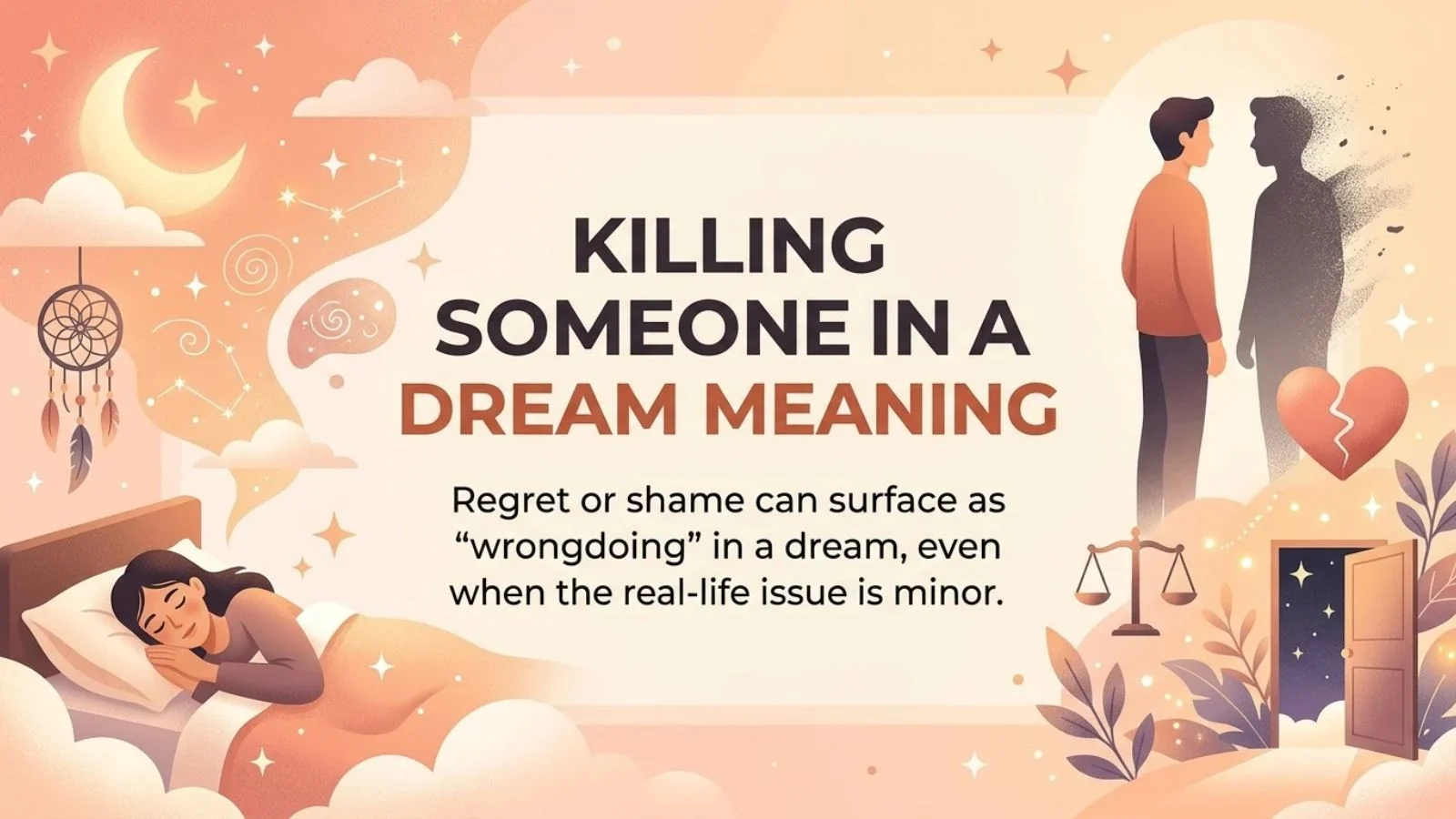
Guilt or unresolved conflict. Regret or shame can surface as “wrongdoing” in a dream, even when the real-life issue is minor.
Rejecting part of yourself. The person you kill may represent a trait you dislike, such as shyness, perfectionism, or an old identity you’re ready to outgrow.
Major Theories
- Freud believed dreams reveal repressed desires, so violent dreams express impulses we hide while awake.
- Jung saw them as encounters with the “shadow self,” the parts of us we deny. Facing them leads to growth.
- Gestalt therapy treats every figure in a dream as part of you, so killing someone may mean cutting off an aspect of yourself.
- Modern neuroscience views these dreams as emotional regulation and threat simulation, the brain’s way of practicing responses to danger.
No single theory fits every dream. The best interpretation connects the symbolism to what’s happening in your life right now.
Meaning by Who You Killed
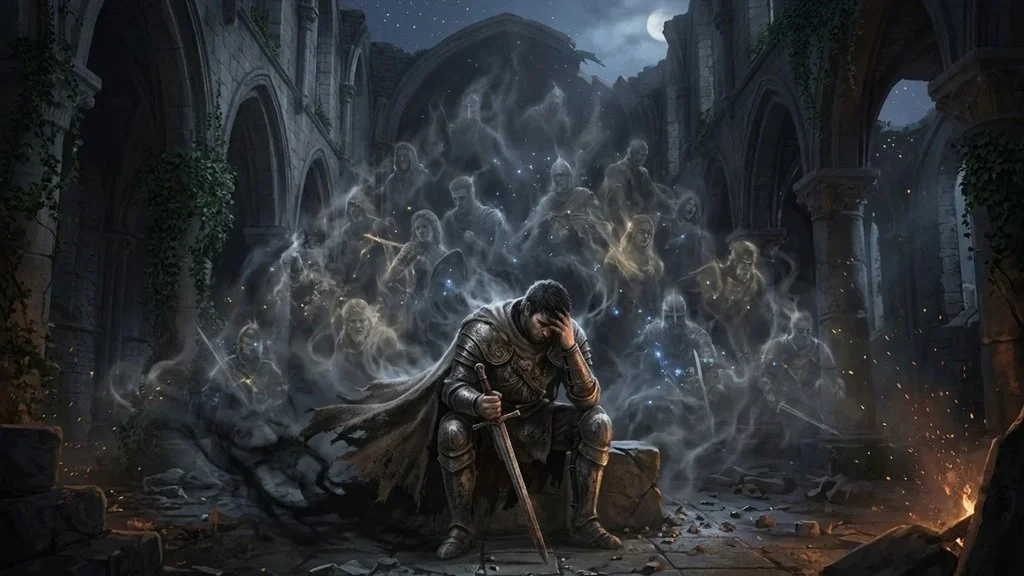
The person in your dream matters, because they usually stand for a relationship, a feeling, or a part of yourself.
If you dreamed you killed someone, the identity of that person matters more than the act itself. A dream that I killed someone often points to a part of your own life you are trying to end — and when people say they killed someone in a dream, the person usually stands for a relationship, a feeling, or a habit they want to leave behind.
A stranger. Often represents an unfamiliar part of yourself or a problem you haven’t identified. It may point to a change you’re resisting.
A faceless or unknown person. Suggests vague anxiety or an emotion you can’t name yet. Your mind is working on something it hasn’t fully understood.
A parent. Rarely about the parents themselves. It may reflect a wish for independence, frustration with control or expectations, or ending an old family pattern.
A sibling or child. This can feel deeply upsetting, but it’s usually symbolic. A sibling may represent rivalry or a shared past, while a child can stand for a project, a vulnerable part of you, or fear of the responsibility of caring for someone.
A spouse or partner. Often reflects relationship tension, unmet needs, or a desire for more independence. It doesn’t mean you want the relationship or the person gone.
An ex. Typically signals closure, moving on, or finally letting go of lingering feelings.
A friend. May suggest conflict, betrayal, or a changing friendship you’re unsure how to handle.
A boss or coworker. Common during stressful periods. It usually reflects feeling powerless, undervalued, or overworked.
An enemy. May show a wish to overcome a threat, or anger you haven’t expressed.
A celebrity or public figure. Often stands for qualities you associate with them, like fame, power, or perfection.
Someone is already dead. Can signal unresolved grief or closing a painful chapter.
An animal. Usually represents instincts or impulses you’re trying to control.
Yourself. This most often symbolizes the end of an old identity, habit, or self-image and the start of change. If dreams or thoughts about harming yourself feel real, heavy, or frequent, please reach out to a mental health professional or someone you trust. Support is available.
Meaning by How You Killed

The method in your dream adds another layer of symbolism. It often reflects how you handle conflict, anger, or change in waking life.
The dream of killing someone is one of the most common violent dreams people report, and a dream about killing someone in this sense is usually symbolic. Dreams of killing someone tend to appear when you feel trapped, angry, or desperate for change, and the dream gives that pressure a dramatic form.
Stabbing. Close, personal, and intense. It may point to emotional wounds, betrayal, or anger tied to a specific person or situation.
Shooting. Suggests distance and detachment. You may want to resolve a problem quickly or from afar, or you may be reacting to a sudden threat.
Strangling. Often linked to silenced feelings or feeling suffocated yourself. It may reflect a wish to control or hold something back.
Poisoning. Represents slow, hidden influences. It can symbolize resentment you haven’t voiced or something toxic you want out of your life.
Drowning. Water is tied to emotion, so this may reflect feeling overwhelmed or wanting to suppress strong feelings.
Pushing someone from a height. Can signal a desire to remove someone’s status or influence, or fear of falling short yourself.
Running someone over. Suggests moving forward at the expense of something or someone, such as leaving an old chapter behind.
Using bare hands. Raw and direct. It may reveal pent-up frustration or a need to face a problem head-on.
Killing by accident. Often reflects fear of causing harm unintentionally, guilt over a mistake, or worry about a situation spiraling beyond your control.
Keep in mind that symbolism is flexible. A method that feels frightening to one person may feel neutral to another, so pay attention to your own associations. Ask yourself what the weapon or action means to you, and what it reminds you of in your waking life.
Meaning by the Circumstances

The situation surrounding the killing can reveal as much as the act itself.
A dream about someone killing someone is different from dreaming that you did it yourself. In a dream of someone killing someone, you are often a witness rather than the actor, which can mean you feel helpless watching a change happen around you, or that an ending in your life is being decided by someone else.
Self-defense. Often reflects feeling threatened or pushed to set boundaries. Your mind may be showing you’re ready to protect yourself.
Intentional or planned. Suggests a strong, deliberate wish for change, or long-building frustration you haven’t acted on.
Impulsive. Points to emotions that feel sudden and hard to contain.
Accidental. Often tied to fear of making a mistake or hurting someone unintentionally.
Being forced to kill. Reflects pressure from outside, such as obligations or expectations you didn’t choose.
Killing in war or as part of a group. May show conflict between your values and group demands, or a sense of fighting a larger battle.
Being unable to kill. Weak punches or failing weapons usually signal powerlessness or difficulty confronting a problem.
The person won’t die or return to life. Suggests the issue keeps resurfacing and needs a different approach.
Hiding the body. Points to secrets, shame, or something you’re avoiding facing.
Getting caught or punished. Often reflects guilt, fear of judgment, or worry about consequences.
Getting away with it. May signal relief at escaping a burden, or anxiety that something unresolved is still hidden.
Being witnessed. Reflects fear of exposure or of being judged by others.
Someone else is doing the killing. Suggests an outside force ending something in your life, or feeling like a bystander to change.
As always, personal context matters most. Ask which of these circumstances echoes something you’re experiencing right now.
Meaning by How You Felt

Your emotions in the dream are often the most important clue. They show how your mind is processing the situation, regardless of what happened on the surface.
Guilt and remorse. Usually reflects real-life regret, a harsh inner critic, or worry that you’ve let someone down. The dream may be urging you to resolve something unspoken.
Fear and panic. Suggests anxiety about consequences, losing control, or a situation that feels threatening. It often appears during periods of high stress.
Relief or satisfaction. This unsettles many people, but it typically means you’re ready to be free of a burden, such as a toxic situation, a draining responsibility, or an old pattern. The relief is about the ending, not the harm.
Numbness. Feeling nothing can point to emotional exhaustion, burnout, or detachment from something painful. Your mind may be protecting you from feelings that seem too big to face.
Excitement. Often connected to a desire for power, change, or breaking free from restrictions. It may reflect energy you haven’t found a healthy outlet for.
Sadness. Suggests grief over an ending you didn’t fully choose, or mourning something you’re letting go of.
Why Feeling “Good” Doesn’t Make You a Bad Person
Many readers worry most about positive emotions in the dream. But dream emotions respond to symbolism, not morality. Relief at “killing” a stressful job or a controlling dynamic is not the same as enjoying violence. The feeling is attached to what the dream represents, and it says nothing about your character.
Life Situations That Trigger This Dream
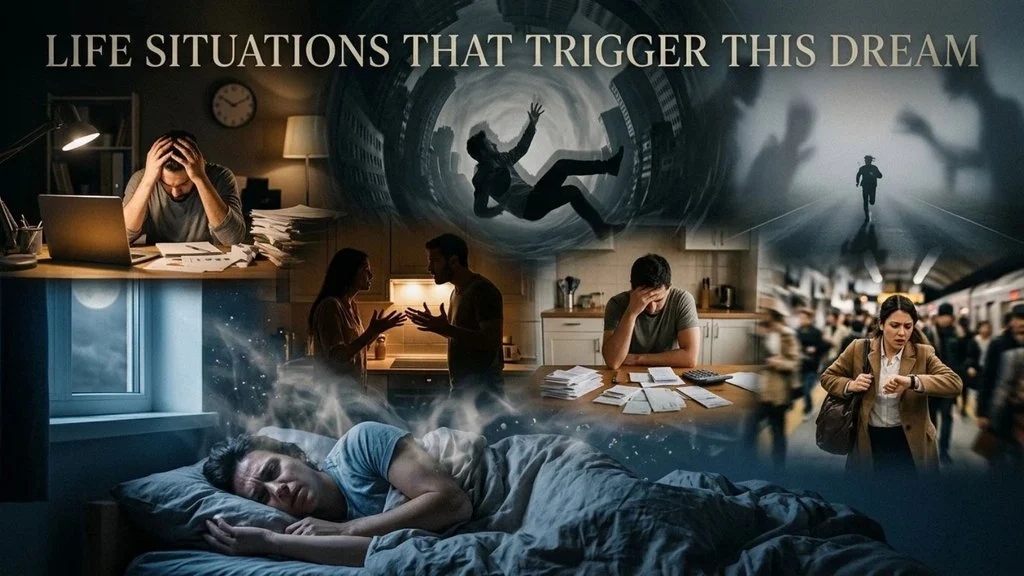
Dreams rarely appear out of nowhere. Violent imagery often follows periods when your emotions run high, so it helps to look at what’s going on in your waking life.
Relationship conflict or breakups. Arguments, resentment, or the end of a relationship can surface as dreams of killing a partner or ex, symbolizing a bond that is ending or a hurt you haven’t resolved.
Work pressure and toxic environments. A demanding boss, unfair treatment, or constant deadlines can leave you feeling powerless. Dreams may give you the control you lack during the day.
Family tension. Unspoken expectations, old patterns, or ongoing disputes can trigger dreams about killing a parent or sibling, often symbolizing a wish for freedom or peace.
Grief and loss. Mourning can bring strange, intense dreams. Killing someone who has died may reflect guilt, anger at the loss, or the struggle to accept it.
Major life transitions. Moving, changing careers, or starting a new chapter often involves “ending” an old version of yourself, which dreams may express in dramatic terms.
Financial stress. Money worries create a sense of threat and pressure that can spill into aggressive dream imagery.
Burnout and caregiving. Caring for others without enough rest can build quiet resentment and exhaustion, which dreams may release in extreme forms.
Violent media, news, or true crime. What you watch or read before bed can seep into your dreams. Your brain recycles recent images, especially emotional ones.
Cultural, Spiritual, and Religious Perspectives

Across history, many cultures have treated dreams as meaningful messages. The interpretations below come from traditional and symbolic sources, so read them as cultural perspectives rather than scientific facts.
Islamic dream interpretation. Classical scholars, including those associated with Ibn Sirin, generally read dreams symbolically rather than literally. Killing in a dream is often said to represent overcoming an obstacle or enemy, gaining authority, or, in some readings, a warning to reflect on one’s actions or seek repentance. Interpretations vary by scholar and by the dreamer’s circumstances, and many Muslims recommend consulting a knowledgeable, trusted person instead of relying on generic lists.
Christian perspectives. Dreams appear throughout the Bible as vehicles for guidance or warning. A dream about killing is often read as a call to examine one’s conscience, confront anger or sin, or let go of an “old self” in favor of spiritual renewal. Many Christians also see such dreams as ordinary products of a restless mind, not divine messages.
Hindu and Eastern views. Traditions such as Hinduism and Buddhism often see dreams as reflections of the mind, shaped by desires, fears, and past impressions. Killing may symbolize destroying ego, attachment, or negative karma, themes tied to liberation and transformation.
Western folk and dream-dictionary interpretations. Popular dream books typically treat killing as a sign of ending a chapter, defeating a rival, or suppressing strong emotion. These guides tend to be general and unscientific.
Common spiritual themes. Across traditions, the recurring ideas are transformation, release, and rebirth. Something must end so something new can begin.
Science, Sleep, and Health Factors

Sometimes a violent dream has less to do with symbolism and more to do with what’s happening in your body and brain.
Nightmares vs. regular dreams. Nightmares wake you in distress and are easy to recall, while ordinary dreams can fade quickly. Killing dreams can fall into either category, depending on how frightening they feel.
Sleep deprivation and irregular sleep. Poor or interrupted sleep can intensify REM activity, making dreams more vivid, emotional, and memorable.
Medications. Some antidepressants, blood pressure medications, and sleep aids are linked to vivid or disturbing dreams. If dreams change after starting a new medication, mention it to your doctor rather than stopping it yourself.
Alcohol and substances. Alcohol may help you fall asleep, but it disrupts sleep cycles and can trigger intense dreams as it wears off. Withdrawal from alcohol or other substances can also cause vivid nightmares.
Anxiety, depression, and PTSD. Mental health conditions are closely tied to disturbing dream content. Trauma-related nightmares often repeat and feel unusually real.
REM sleep behavior and sleep disorders. In REM sleep behavior disorder, people physically act out their dreams, sometimes violently. Conditions like sleep apnea can also fragment sleep and increase vivid dreaming. If you move, shout, or lash out while asleep, see a sleep specialist.
Recurring dreams. Repeating dreams usually point to an unresolved stressor, ongoing anxiety, or a pattern your mind keeps trying to work through.
When to Seek Help

A single dream about killing someone is rarely a cause for concern. Occasionally, though, it’s worth reaching out for support.
Consider talking to a professional if:
- The dreams are frequent, recurring, or increasingly distressing
- You wake in fear and can’t shake the anxiety during the day
- Sleep is suffering, leaving you exhausted or afraid to go to bed
- The dreams seem tied to a past trauma or painful memory
- You act out dreams physically, such as shouting, thrashing, or striking out
- Violent thoughts follow you into waking life and feel intrusive or hard to control
Who can help
- A therapist or counselor can help you explore the emotions behind the dreams and treat anxiety, depression, or trauma.
- Your doctor can check whether medication, alcohol, or a medical condition is affecting your sleep.
- A sleep specialist can diagnose disorders like REM sleep behavior disorder or sleep apnea.
A note on intrusive thoughts. Having an unwanted violent thought now and then is common and doesn’t mean you’ll act on it. But if the thoughts feel overwhelming, or you’re afraid of harming yourself or someone else, please contact a mental health professional or a local crisis service promptly.
How to Interpret Your Own Dream (Step by Step)

Every dream is personal, so the most accurate interpretation often comes from you. Use these steps to decode yours.
1. Write it down immediately. Dreams fade within minutes of waking. Keep a notebook or phone beside your bed and record everything you remember, even small fragments.
2. Identify who the person represents. Ask what qualities, feelings, or role this person holds in your life. The dream may be about what they symbolize, not who they are.
3. Note your emotions in the dream. Were you afraid, relieved, numb, or guilty? As covered earlier, feelings are often the clearest clue to the meaning.
4. Look at the setting and details. Where did it happen? Was it a familiar place, such as your childhood home or workplace? Settings often point to the area of life involved.
5. Connect it to current life events. Think about the past few days or weeks. Stress, conflict, or a major change often explains the timing.
6. Ask what you want to end or change. Since killing often symbolizes endings, consider what in your life feels ready to be released, such as a habit, role, or relationship.
7. Take action on what it reveals. Insight matters most when it leads somewhere. Have the difficult conversation, set a boundary, or seek support for the stress you’ve been carrying.
A helpful tip: Don’t force a single “correct” meaning. If an interpretation makes you feel understood or clearer about your life, it’s probably useful, even if it differs from a dream dictionary.
How to Stop or Reduce These Dreams

You can’t fully control what you dream, but you can make disturbing dreams less frequent and less intense.
Build a sleep routine. Go to bed and wake up at consistent times, keep your room cool and dark, and avoid screens for an hour before sleep. Regular, sufficient sleep reduces the REM disruption that fuels vivid dreams.
Manage daily stress. Unprocessed stress often spills into dreams. Exercise, time outdoors, and short breaks during the day can lower the emotional load you carry to bed.
Practice relaxation. Deep breathing, gentle stretching, meditation, or progressive muscle relaxation before bed can calm your nervous system and ease the way into restful sleep.
Journal before bed. Writing down worries or unresolved conflicts gets them out of your head. Even five minutes can help your mind let go.
Limit violent content at night. Avoid true crime, horror, and intense news close to bedtime, since your brain tends to replay recent emotional images.
Watch alcohol, caffeine, and heavy meals. All three can disrupt sleep cycles and make dreams more intense.
Try imagery rehearsal therapy. For recurring nightmares, this technique involves writing down the dream, changing the ending to something less distressing, and mentally rehearsing the new version for a few minutes each day. It is often used with a therapist, especially for trauma-related nightmares.
Address the underlying conflict. If the dream keeps returning, the message may be unresolved. Facing the situation it points to often stops the dream on its own.
Myths vs. Facts

Because this dream feels so disturbing, plenty of misconceptions surround it. Here are the most common ones, set straight.
Myth: It means you secretly want to hurt someone.
Fact: Dreams speak in symbols. Killing usually represents an ending, a suppressed emotion, or stress, not a hidden wish to cause harm. Dreaming something is not the same as desiring it.
Myth: It predicts the future.
Fact: There is no scientific evidence that dreams foretell events. A dream about killing someone is not a warning that something bad will happen to them or that you will act violently. Traditional and spiritual readings exist, but they are symbolic, not proven.
Myth: It makes you a bad person.
Fact: Violent dreams are common, and having one says nothing about your character. What matters is how you behave while awake, not what your sleeping brain imagines.
Myth: Only troubled people have these dreams.
Fact: People of all ages and backgrounds experience them. Stress, poor sleep, and strong emotions are far more common triggers than any personality flaw.
Myth: Feeling relieved in the dream means you’re cruel.
Fact: Dream emotions attach to symbolism. Relief usually reflects wanting freedom from a burden, not enjoying harm.
Myth: You should ignore it completely.
Fact: While one dream is rarely serious, it can offer useful insight into your stress and emotions. Reflecting on it, without self-judgment, is often worthwhile.
Real-Life Examples

Seeing how these dreams play out can make the interpretations easier to apply. The scenarios below are illustrative composites, not individual case studies.
Example 1: Killing a boss during a stressful period
Maya, a marketing manager, dreamed she pushed her boss down a flight of stairs after weeks of unpaid overtime. She woke up feeling guilty, but the dream matched her situation: she felt powerless and unappreciated. Interpretation: suppressed anger and a need for boundaries. She began setting limits on her workload, and the dreams faded.
Example 2: Killing a partner
Daniel dreamed he strangled his wife during an argument. He was horrified, yet the couple had been avoiding a difficult conversation about finances. Interpretation: unspoken tension and feeling silenced. Talking openly helped him feel heard, and the dream stopped recurring.
Example 3: Killing an ex and feeling relief
Sara dreamed she killed her ex and felt calm afterward. Months after the breakup, she was still carrying lingering hurt. Interpretation: closure and readiness to move on. The relief reflected ending the attachment, not wishing harm.
Example 4: Accidentally killing a stranger
After starting a demanding new job, Omar dreamed he accidentally ran over a stranger. He woke up anxious and shaken. Interpretation: fear of making a mistake and anxiety about responsibility. As he gained confidence at work, the dream disappeared.
What these examples show: the dream usually mirrors a real-life pressure, and addressing that pressure often resolves it. Try to find the equivalent in your own life, using the steps from Section 11.
Frequently Asked Questions
Does dreaming of killing someone make me a bad person?
No. Dreams are symbolic and driven by emotion, not intent. Having a violent dream says nothing about your character or what you would do while awake.
Is it normal to dream of killing a family member?
Yes. These dreams are usually about tension, expectations, or a wish for independence, not about the person themselves.
What does it mean if I felt nothing?
Numbness in a dream often points to emotional exhaustion, burnout, or detachment from something painful. Your mind may be shielding you from feelings that seem too big to face.
Is it a warning or a prediction?
There is no scientific evidence that dreams predict the future. Some traditions read them as warnings, but they are best treated as reflections of your current emotional state.
Why do I keep having this dream?
Recurring dreams usually signal an unresolved stressor, ongoing anxiety, or a pattern your mind keeps working through. Poor sleep, medication, or trauma can also play a role.
Conclusion
Dreaming about killing someone can feel deeply unsettling, but it is far more common than most people realize.
In nearly every case, the dream is symbolic. It reflects an ending, a suppressed emotion, mounting stress, or a need for change, not a hidden desire to cause harm.
The most useful approach is gentle curiosity. Notice who was in the dream, how it happened, and above all how you felt.
Then connect those details to what’s happening in your life right now. Often, the message points to a conversation you’ve been avoiding, a boundary you need to set, or a burden you’re ready to release.
Have you had this dream? Share your experience in the comments, and subscribe for more dream-meaning guides. You may also like our posts on dreams about death and recurring nightmares.
The killing someone in a dream meaning is almost never literal — it is your mind’s way of processing endings, suppressed emotions, and change.